Together We Can Close the Park Equity Gap
What happens when a community’s green spaces are not only plentiful and well-maintained but also welcoming and accessible to all? Simple: social ties get stronger, people get healthier, divisions get smaller, smiles get wider. Support Our Work


Spending time outdoors is more than a nicety—it’s a necessity for a happy, healthy life. Yet those who stand to benefit the most from high-quality green spaces often don’t have enough, or any, nearby.
It doesn’t have to be this way. Together, we can close the park equity gap and bring green spaces to everyone.


One in three people in the United States don’t have a park within a 10-minute walk of home. We’re on a mission to change that. Mayors across the country are taking the 10-Minute Walk® pledge, and we’re helping them to generate investments in and access to parks and public lands so everyone in those districts will have a great green space close to home by 2050.

We’re serious about closing the outdoor equity gap in this country. That’s why we measure, track, and rank cities’ investments in parks, trails, schoolyards, and public outdoor spaces. We use sophisticated mapping technology to assess the quality, accessibility, and use of outdoor infrastructure, and we identify towns and cities that would benefit from more green space. Every year, we publish our findings, so leaders and residents can pinpoint areas ripe for increased park investment. Find out how your city stacks up.
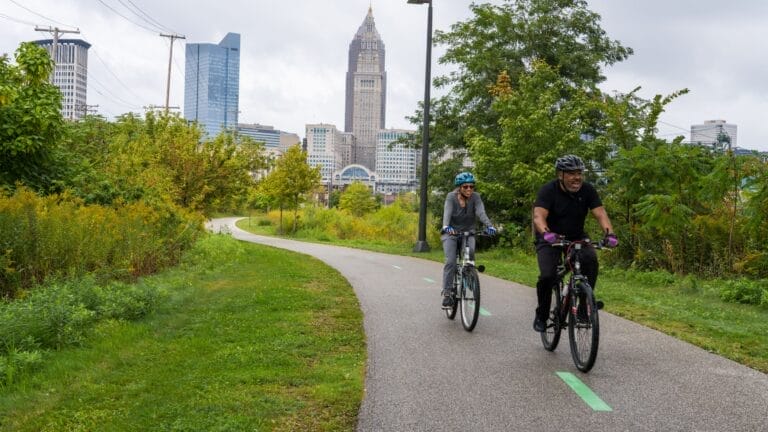
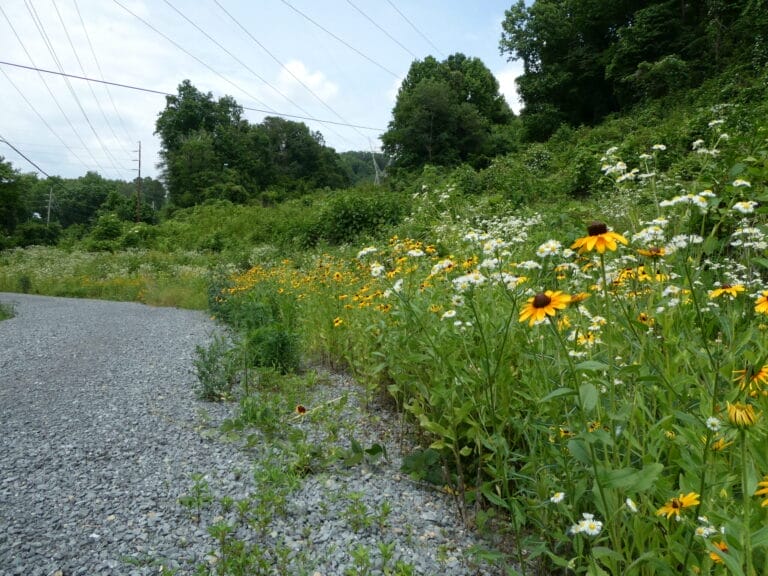
In neighborhoods that lack outdoor spaces, solutions are often hiding in plain sight. Think: public schoolyards, abandoned utility corridors, unused rail lines, vacant lots, and waterways. We partner with communities to uncover, improve, or create vibrant green spaces that close the gap between those who have access to the joy and benefits of the outdoors and those who don’t.
Dive deeper into how and why we do it.


Through our Tribal and Indigenous Lands program, we work with Tribes and Indigenous communities to recover, restore, and preserve homelands and culturally significant places such as ancestral burial grounds, fishing sites, and lands that supply traditional foods and medicines. To date, we’ve worked with more than 70 Tribes and Indigenous groups to protect more than 200,000 acres from California to Washington to Hawaiʻi.


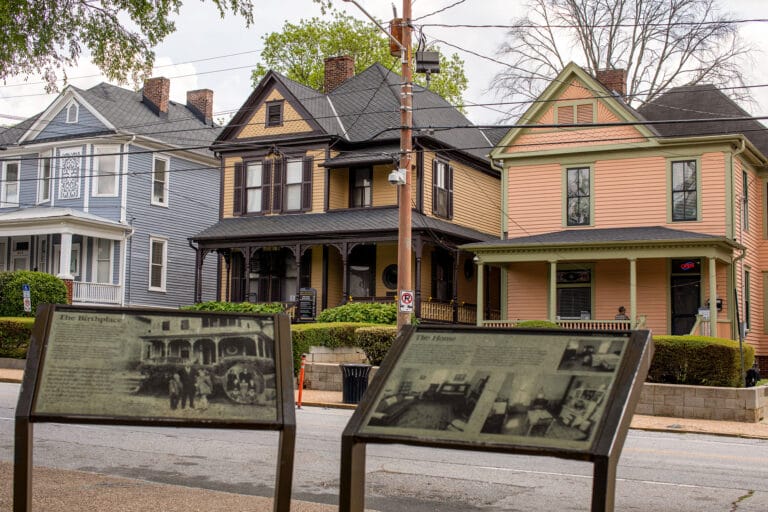
Not only do communities of color have access to less quality green space—and the benefits they provide—than white communities, Black Americans in particular have historically been underrepresented, both as users and in the stories that our parks and public lands tell. Of the roughly 95,000 sites listed on the National Historic Register, only 3 percent focus on the experience of Black Americans. We place special emphasis on identifying and protecting sites of cultural and historical importance and preserving spaces that represent the Black American experience. These sites range from Atlanta’s Martin Luther King, Jr. National Historical Park to Nicodemus National Historic Site in Kansas.

Right now, we are raising philanthropic support through the Equitable Communities Fund to energize and accelerate the efforts of 62 historically marginalized communities to create parks and open space.
Read stories about how our work to bring parks where they’re most needed is helping tackle social, health, and environmental challenges, and to address systemic inequities.