


Camping
Unplug. Overnight. Under the Stars
Here's Our Pitch
Close your eyes and think about where you are happiest outside. For many of us, the places that hold our fondest memories are our national parks. Whether you’re watching the sun light up Yosemite’s granite walls or wandering through a forest of towering saguaros, these landscapes have a way of inspiring awe. But they don’t stay this spectacular by accident.
By Alana Fink
Published March 17, 2026



For decades, Trust for Public Land has worked behind the scenes to protect the public lands people love. We help preserve land within park boundaries, expand access, and advocate for programs that sustain these places, keeping our parks open and accessible for generations to come. It’s work you might not always see—but you’d certainly notice if it stopped.
Below, we’re highlighting several national parks that TPL has helped to protect or expand. Take a closer look at the landscapes that help millions of people find their Happiest Outside.

Established: 1890
Why People Love It
Known for its granite cliffs, ancient sequoias, and thundering waterfalls, Yosemite delivers jaw-dropping beauty at every turn. From hiking and horseback riding to birding and rock climbing, there’s no shortage of ways to find your kind of happy outside at Yosemite.
TPL at Work Here
Did you know that meadows in Yosemite are home to about a third of the plant species found in the park? This includes Ackerson Meadow, 400 acres of critical wetlands and meadow habitat on the park’s western boundary. In 2016, TPL purchased the meadow from private owners and donated it to the park, protecting it for generations to come.
Established: 1994
Why People Love It
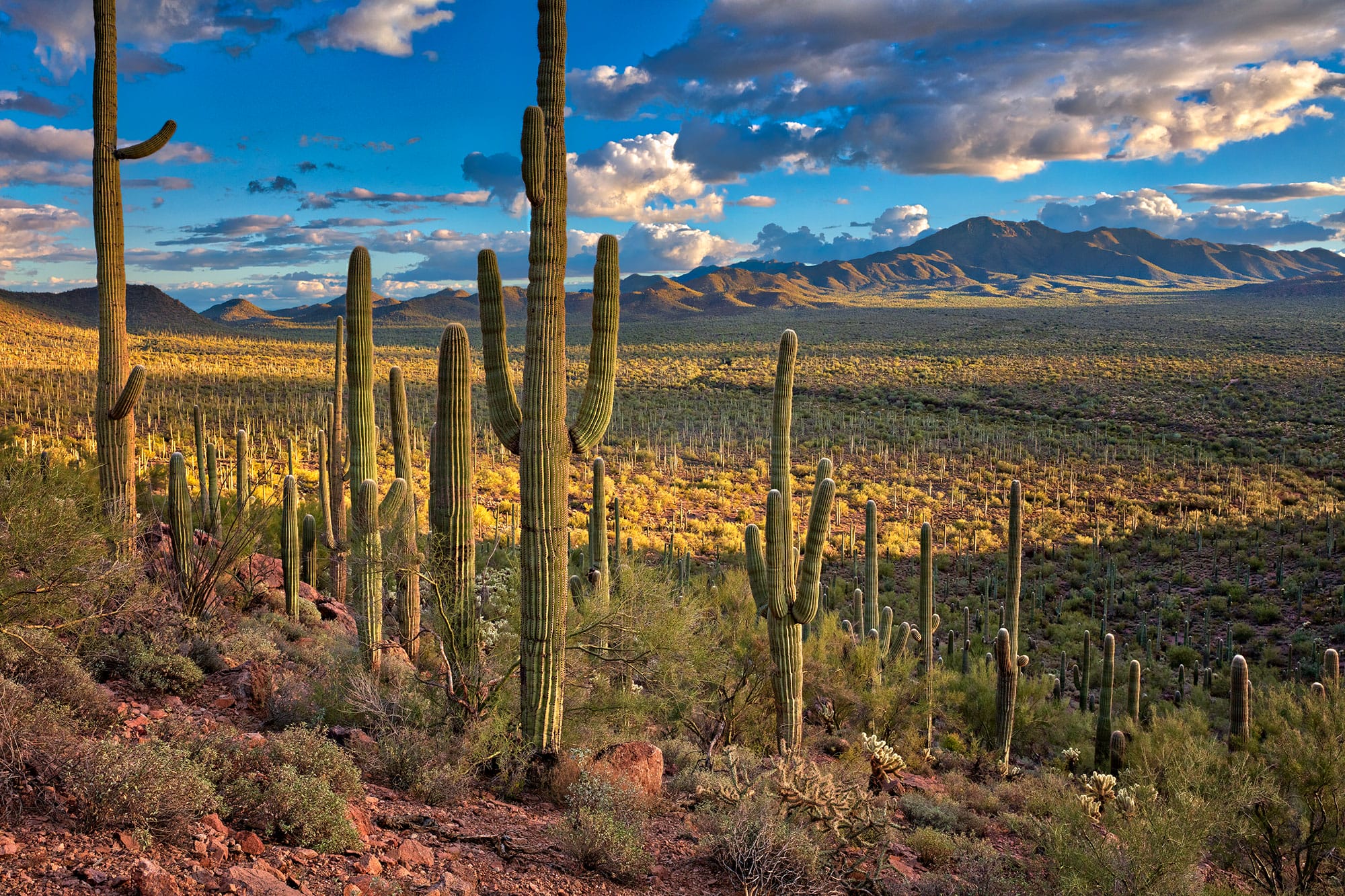
True to its name, Saguaro National Park has the densest population of saguaro cacti in the region. The cactus, native only to the Sonoran Desert, holds the prized title of a “keystone species,” which means other species in the natural ecosystem vitally depend on it. These magnificent cactus gardens make the park a scenic destination for hiking, camping, and cycling.
TPL at Work Here
Trust for Public Land has protected more than 2,300 acres in and around Saguaro, including a new section added just last year to the foothills of the Tucson Mountains. Here, visitors can explore and savor the breathtaking beauty of the area, which protects the threatened Sonoran Desert habitat.
Photo Credit: Chris Hinkle
Established: 1919
Why People Love It
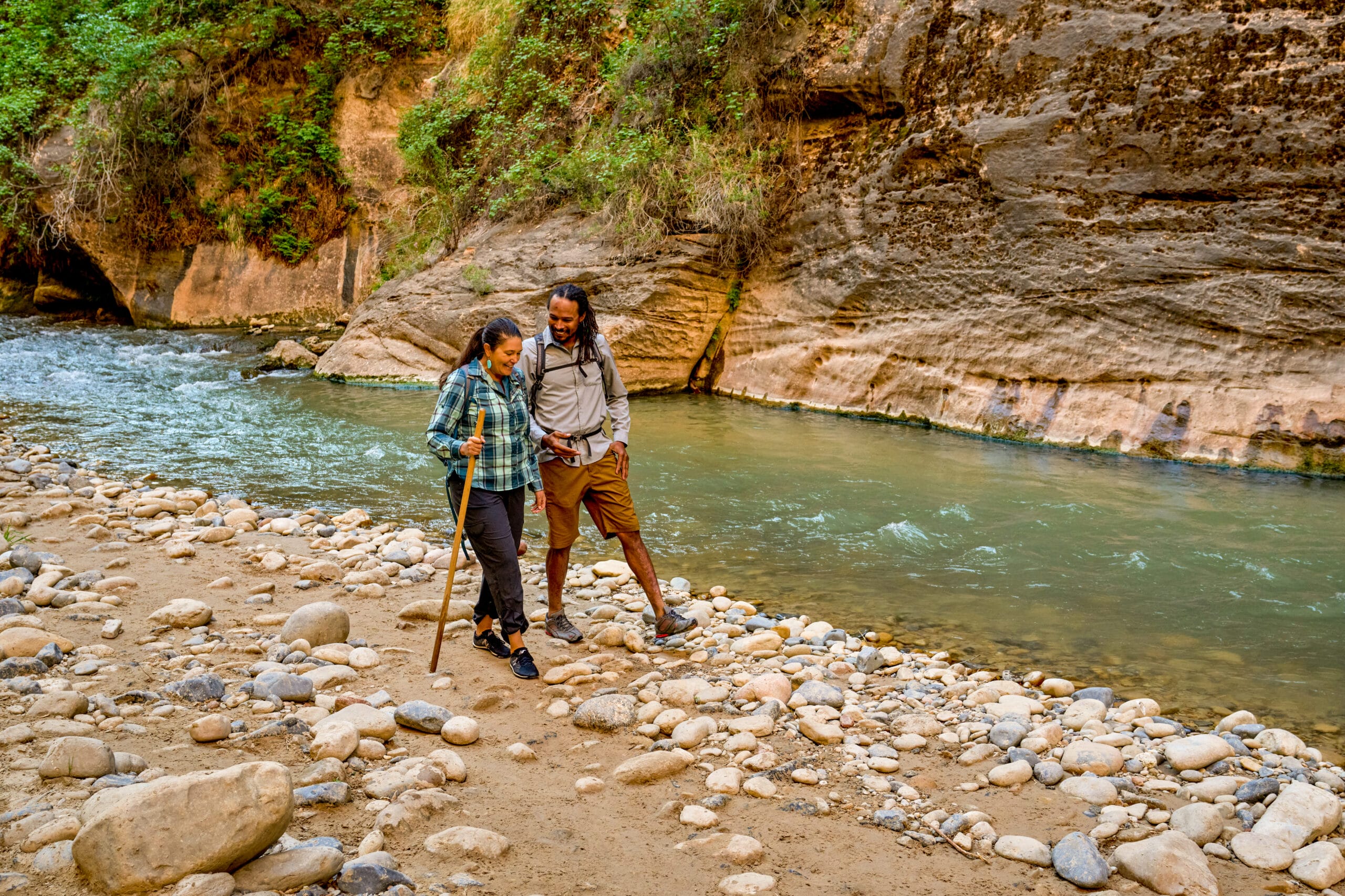
Zion National Park draws over 5 million visitors annually due to its diverse topography, soaring sandstone cliffs, stunning slot canyons, cascading waterfalls, colorful hanging gardens, lonesome desert plateaus, and clear-flowing rivers.
TPL at Work Here
Trust for Public Land has worked since 2000 to ensure that recreational access in and around Zion National Park remains uncompromised. And in 2019, we preserved an 880-acre property on the park boundary, including the last unprotected mile of the Zion Narrows Trail, securing access to this iconic experience for generations to come.

Established: 1947
Why People Love It
Everglades National Park is one of the country’s most impressive and important outdoor havens. It’s home to a plethora of critical plant and animal species, including the last remaining Florida panthers and endangered American crocodiles.
TPL at Work Here
Development and draining wetlands have reduced the Everglades’ vast ecosystem by half, from 3 million acres to 1.5 million acres. That’s why we’ve worked hard to protect the area by adding 48,000 acres to the national park. These expansions help preserve essential wildlife habitat and ensure that people have access to this treasured landscape for generations to come.
Photo Credit: Raymond Elli
Established: 1915
Why People Love It
High alpine peaks, breathtaking views, and wildlife sightings make visits to Rocky Mountain National Park an adventure. With over 350 miles of trails within the park, it offers plenty of opportunities for hiking, camping, snowshoeing, and more!
TPL at Work Here
Since the 1950s, locals and tourists from around the world have stayed at rustic cabins at the eastern edge of the park. The Cascade Cottages were owned and operated by a husband-and-wife team who hoped their land would someday become part of the national park. With help from TPL and partners, that dream was realized: adding 42 acres to the park and protecting the land for generations to come.
Photo Credit: Douglas Peebles
Established: 1961
Why People Love It
From its famous sunrise above the clouds to its vast volcanic crater, Haleakalā inspires awe. The park also protects rare ecosystems and landscapes that are deeply meaningful to Native Hawaiians.
TPL at Work Here
Trust for Public Land helped expand Haleakalā National Park by 1,475 acres at Kaʻapahu Ahupuaʻa on Maui, protecting wetlands and preserving access to unspoiled shoreline. This project is a part of TPL’s longstanding work in Hawaiʻi, where we’ve helped conserve more than 79,000 acres across the islands.
Photo Credit: Jesse Yow
Established: 1872
Why People Love It
Yellowstone, which sits atop a dormant volcano, is the world’s first national park. It’s famous for its colorful geysers, scenic landscapes, and for hosting the most diverse natural system in the Lower 48.
TPL at Work Here
Together, TPL and dedicated partners protected more than 200,000 acres of key wildlife habitat in the surrounding Greater Yellowstone region. And today, we’re helping build the 56-mile Yellowstone Heritage Trail, creating safe walking and biking routes for nearby communities.
Photo Credit: Jane Forbes
Established: 1910
Why People Love It
Famous for its rugged mountains and turquoise lakes, Glacier National Park’s scenery is unparalleled. Its beauty and ecology even earned it UNESCO World Heritage Site status in 1995.
TPL at Work Here
Within Glacier National Park near Harrison Lake sit 120 acres previously owned by one of the park’s first rangers—a place rich in history and river access. TPL helped protect this land, keeping it open for people to enjoy and safeguarding a critical wildlife migration corridor.
The Antiquities Act is one of America’s most effective conservation laws—it has created some of the most popular national parks, including scenic wonders like the Grand Canyon. But this critical conservation tool is under attack. Urge Congress to protect the Antiquities Act today!

National monuments are lands that have been permanently protected because of their cultural, historic, or scientific significance. From sacred Indigenous sites to awe-inspiring natural wonders, national monuments connect us to our history and each other. Together, we are working to protect these irreplaceable lands.


