

Prince Hall Masonic Grand Lodge, Iconic Civil Rights Structure, to Open to the Public
Despite its role as headquarters of Dr. Martin Luther King Jr.’s Southern Christian Leadership Conference, Prince Hall Masonic Grand Lodge in Atlanta was for decades cut off from the public. Now, after a top-to-bottom restoration, the lodge joins Martin Luther King, Jr. National Historical Park, giving the visitors a deeper appreciation of the civil rights movement.
By Lisa Foderaro
Published February 17, 2026



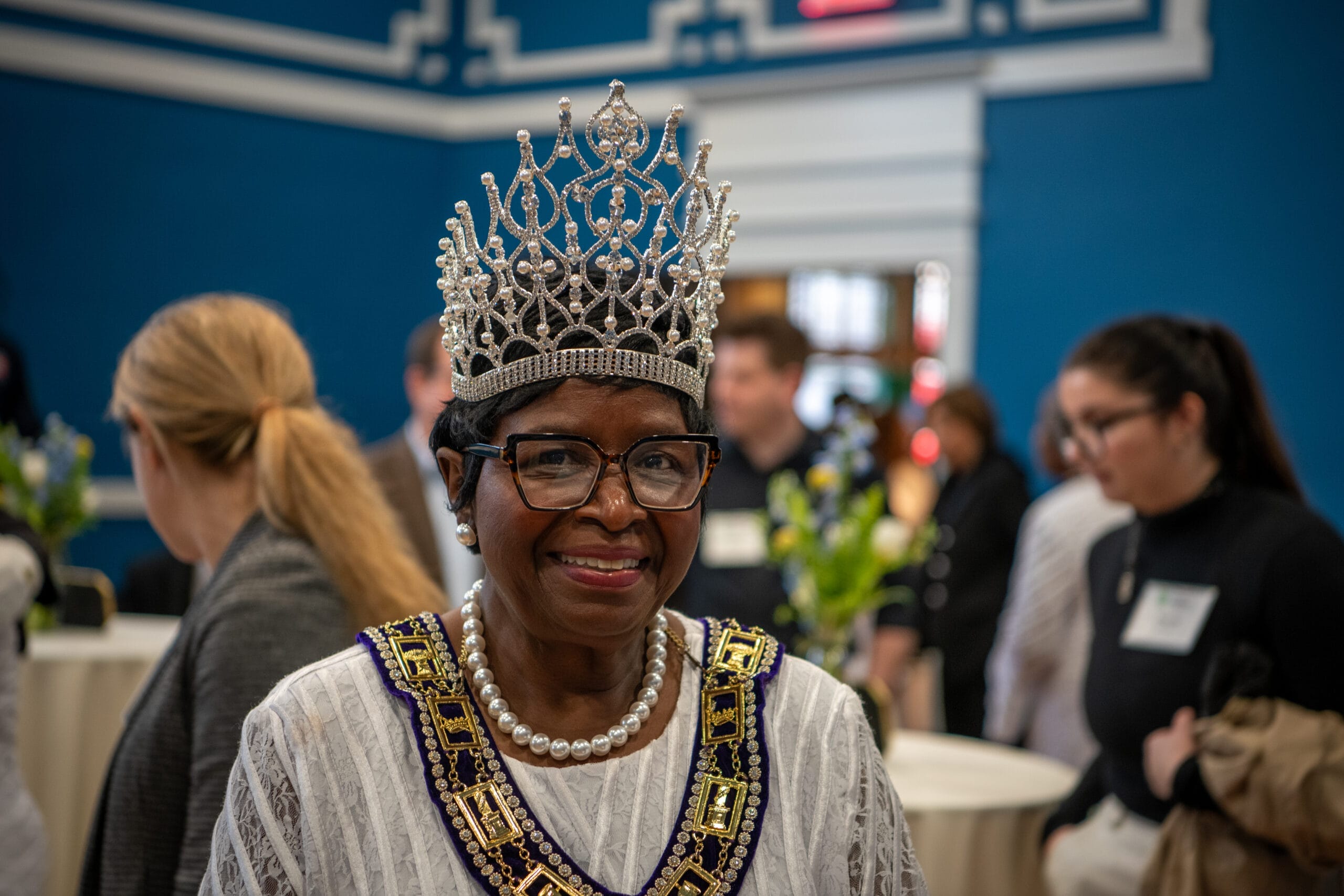
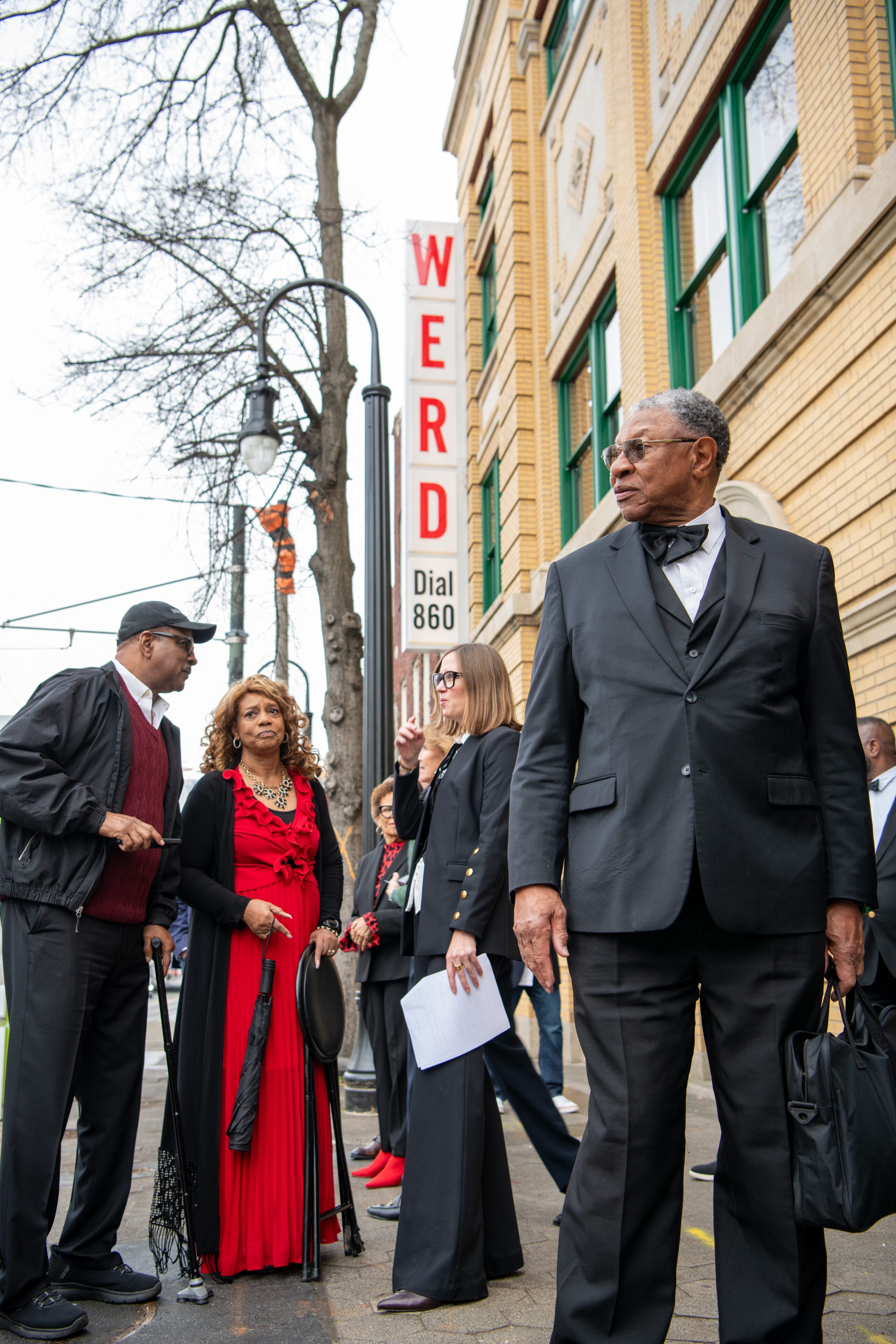
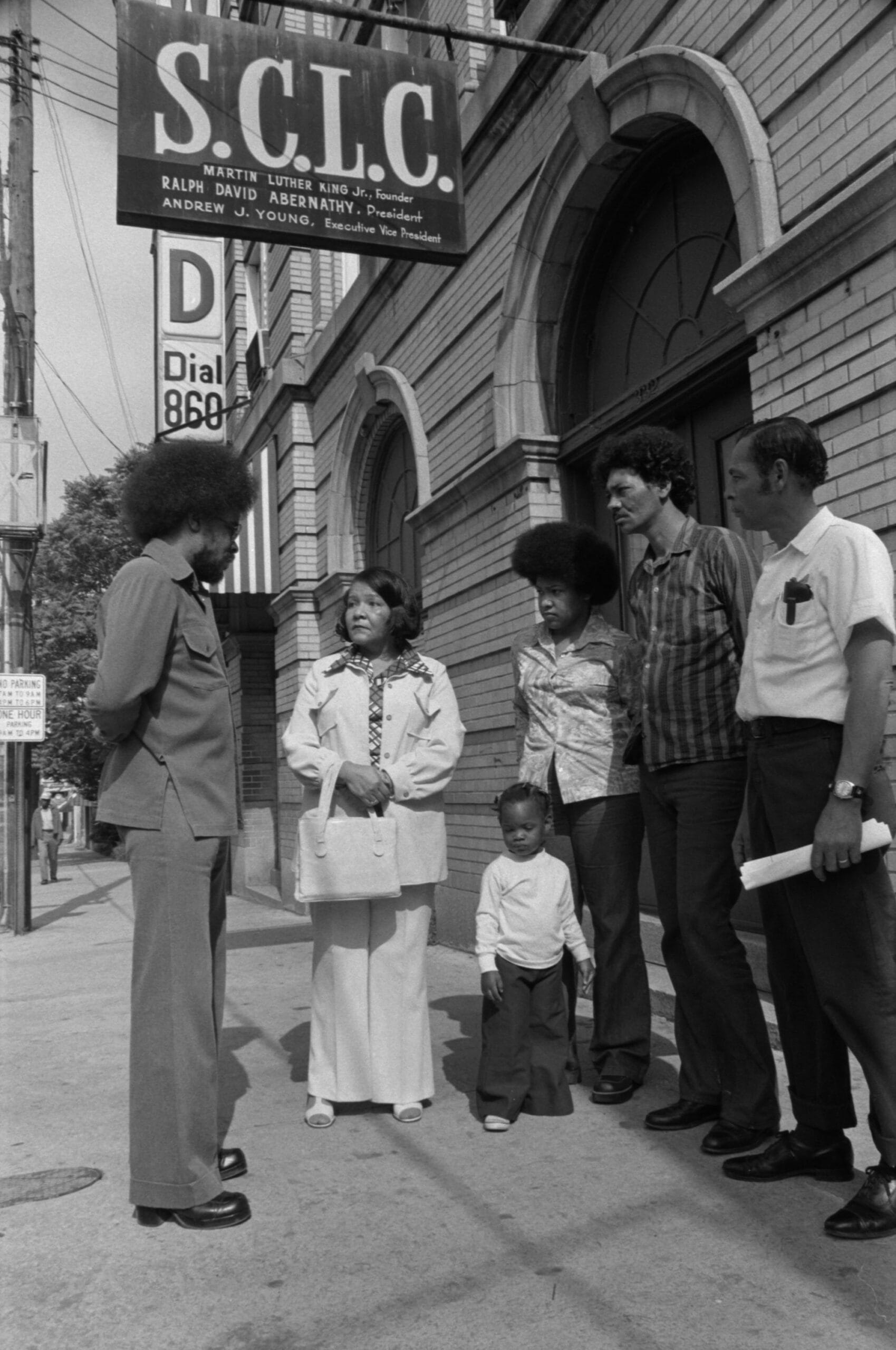
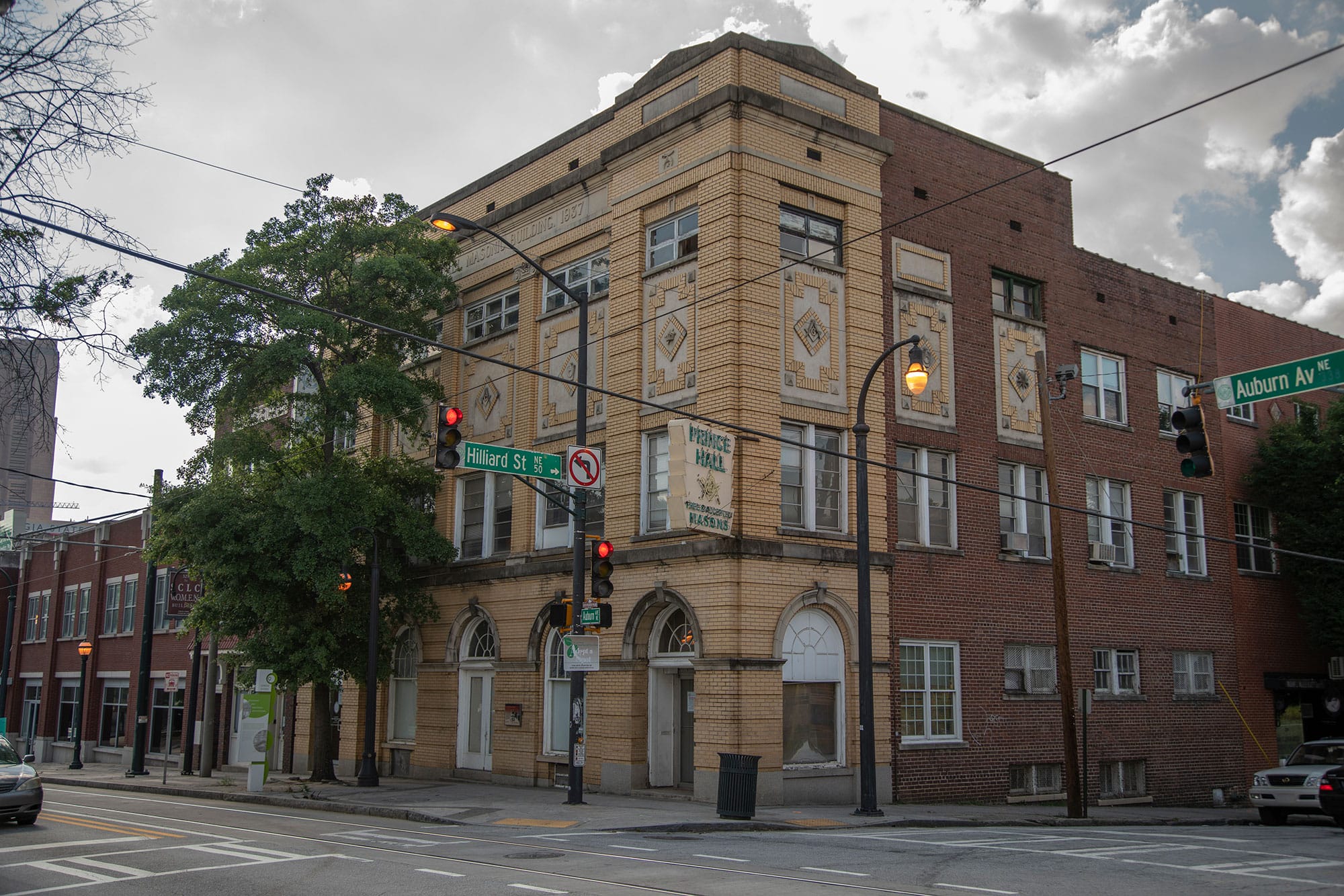
This month, Trust for Public Land joined representatives from the National Park Service and city officials in Atlanta to celebrate the restoration of Prince Hall Masonic Grand Lodge. In addition to being part of the oldest and largest fraternity of Black men in North America, the lodge housed the offices of the Southern Christian Leadership Conference (SCLC), the civil rights organization led by Dr. Martin Luther King Jr. The building also contained the studios of WERD, the nation’s first Black-owned radio station.
Over the decades, the lodge, on Auburn Avenue, had slid into disrepair; that deterioration accelerated after the Masons moved to a new building in 2020. Worse still, the iconic structure had never been open to the public, despite its location at the edge of Martin Luther King, Jr. National Historical Park. In 2018, two years before his death, Representative John Lewis, himself a giant of the civil rights movement, redrew the boundaries of the park to include the lodge.
Trust for Public Land’s work in restoring and opening the lodge to the public was recently featured in The New York Times. The article explains how Ebenezer Baptist Church on Auburn Avenue, where Dr. King shared the pulpit with his father, serves as a centerpiece of a national park “that draws hundreds of thousands of people each year.” A block away, the Victorian home where he grew up is also a main focus of the park.
“Yet a little farther down the street,” the Times piece continues, “the windowless office in the Prince Hall Masonic Grand Lodge where Dr. King wrote speeches and mapped out strategies for the fight for civil rights was all but neglected. In a city with a reputation for tightly embracing its ties to Dr. King, here was a landmark of his legacy that was overlooked and in danger of being lost.”
With completion of the restoration, the lodge officially joins the national historical park. The park service is set to begin public tours there this spring. TPL teamed up with the Prince Hall Masons, the park service, and philanthropic partners to secure $14 million in funding to restore the building.




Today’s announcement marks the second completed project from TPL’s Alliance for Civil Rights Historic Sites program, building upon the opening of the Medgar and Myrlie Evers Home National Monument in 2023. Conserving sites of significance to Black culture and history has long been a part of TPL’s work protecting land and creating parks. Indeed, the alliance, which TPL formed in 2022, is part of our Black History and Culture program.
Through the alliance, TPL has formally partnered with the park service and others to restore and activate Black historic sites in the South. We are helping to preserve and create public access to the historic buildings and outdoor spaces that tell the complete story of life in America. However, of the 95,000 sties listed on the National Register of Historic Places, only 3 percent focus on the experiences of Black Americans. More work needs to be done, and TPL plans to continue leading those efforts with communities across the country.
The New York Times article also cited Trust for Public Land’s involvement in the project during this uncertain period. The story states: “George Dusenbury, a vice president for the Trust for Public Land, the nonprofit overseeing the restoration, acknowledged the challenging climate, including efforts to limit how American history is taught and steep cuts in federal funding. But by saving the lodge, he said, ‘We’re ensuring it will outlast the political debates of any particular moment.’”

Black Americans have shaped our nation with innovation, strength, and joy. While faced with systemic inequities, including restricted land ownership and a vast underrepresentation in historic sites, their legacy of triumph in adversity stands tall. Landmarks and sites from Nicodemus in Kansas to Dr. King’s childhood neighborhood in Atlanta are testaments to this legacy. Trust for Public Land acknowledges these challenges and celebrates the vast contributions of Black communities. You can join us in preserving Black history and celebrating Black culture in shared outdoor spaces that elevate both the achievements and the enduring spirit of Black Americans.

Donate to become a member, and you’ll receive a subscription to Land&People magazine, our biannual publication featuring exclusive, inspiring stories about our work connecting everyone to the outdoors.
