Land for People in Rural America
Even in places where nature is all around, where open space seems abundant and expansive, outdoor equity remains elusive.
By Lisa W. Foderaro
Published December 12, 2025



It’s the terra firma equivalent of “water, water everywhere . . .” That’s because proximity doesn’t always mean accessibility, and recreation isn’t always a priority.
Sometimes the land is private; to be sure, “No Trespassing” signs dot rural America. Sometimes, the land is public but surrounded by private land, making it inaccessible. (Across the U.S., 16 million public acres are completely landlocked by private parcels.) Sometimes, the land merely lacks infrastructure, such as parking areas, entry points, and trails. Whatever the reason, when people are cut off from land, they’re also cut off from potential health, quality-of-life, and economic benefits.
“More and more people live in rural landscapes where they drive by green space but don’t have access to it,” says Stacey Shankle, TPL’s Mid-South program director. “Outsiders think they must be so lucky to live in these vast, lush, green places, but the reality is they might own just a quarter acre or rent their home.” And if their nearest park, forest, or trail is more than a few miles away, their wide-open surroundings can feel like a nature desert.
At Trust for Public Land, the fruits of our land protection work in rural areas are as eclectic as the regions themselves. We look for conservation—and recreational—opportunities as varied as wildlife management areas and rail trails, nature preserves and working forests. But our approach is largely the same, which is to engage the communities in person—and in deep conversation—to find out what they most want and need from outdoor access, whether that’s the ability to access a local river for tubing or a nearby woodland for foraging and hunting.
Rural America is not a monolith, and neither is our approach to land conservation.
Visit three very different regions where our goals are the same—to connect everyone to the benefits of the outdoors—but our strategies and methods are not.


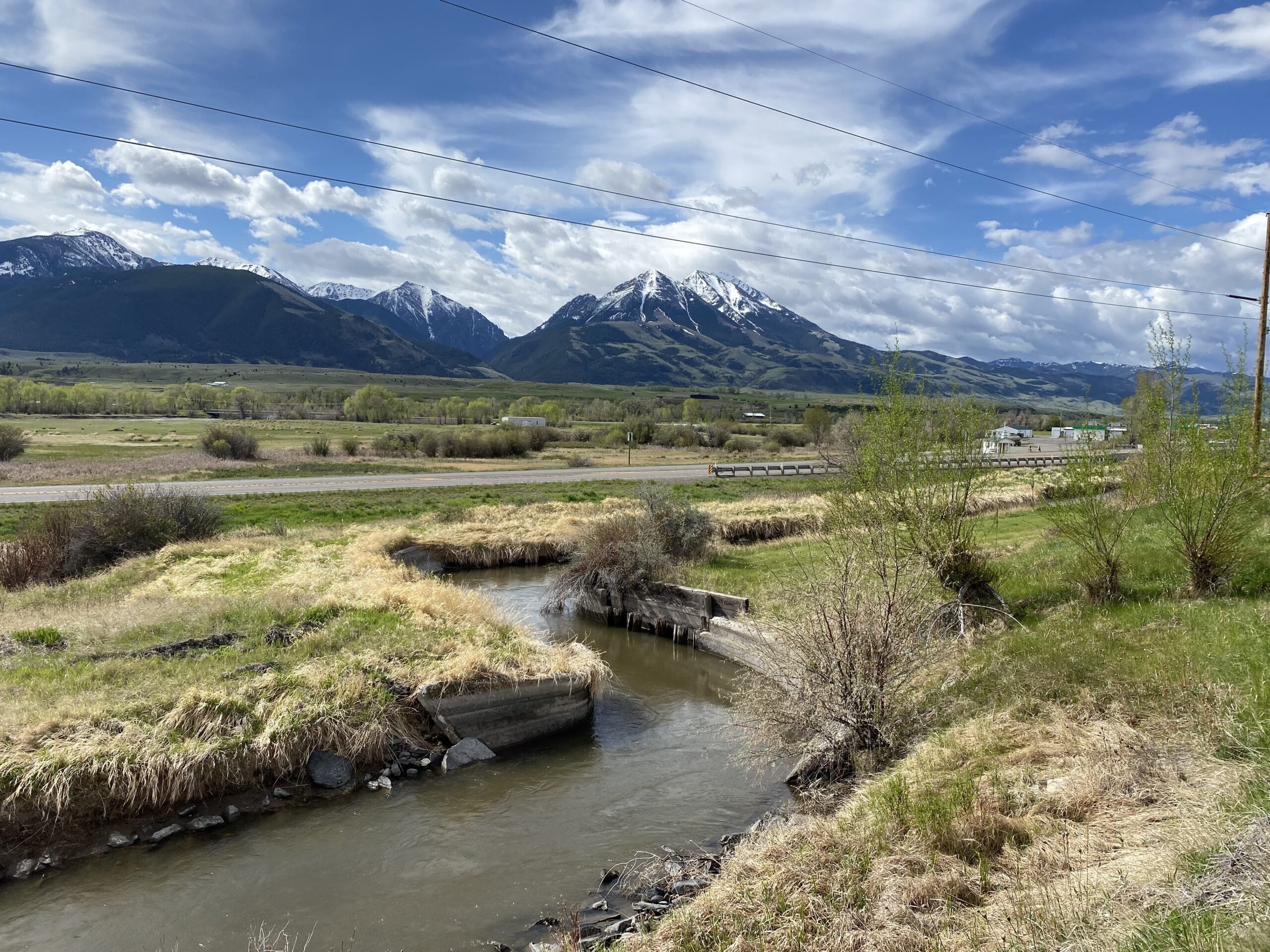
Urge your representatives to make green spaces like the Yellowstone Heritage Trail, Bogue Chitto Wildlife Management Area, and the Cannon River watershed priorities for communities where they’re needed most. Add your name to one or all of our current petitions and help us take a stand.


Donate to become a member, and you’ll receive a subscription to Land&People magazine, our biannual publication featuring exclusive, inspiring stories about our work connecting everyone to the outdoors.
