

The World’s Game
Cleveland Soccer Group Foundation, Cleveland, Ohio
Football or—as we call it—soccer is “the world’s game.” It is often a home away from home for refugees, immigrants, and asylum seekers settling in the U.S. Most of Cleveland’s newcomer communities resettle in the Near Westside and Clark-Fulton neighborhoods, and although newcomers and U.S.-born residents often live in close proximity—attending the same schools and living on the same streets, they can be culturally siloed with few opportunities to foster connection.
To bring these groups together over a shared love of sports, the Cleveland Soccer Group Foundation (CSGF) leveraged existing youth and adult soccer programs to offer free participation.

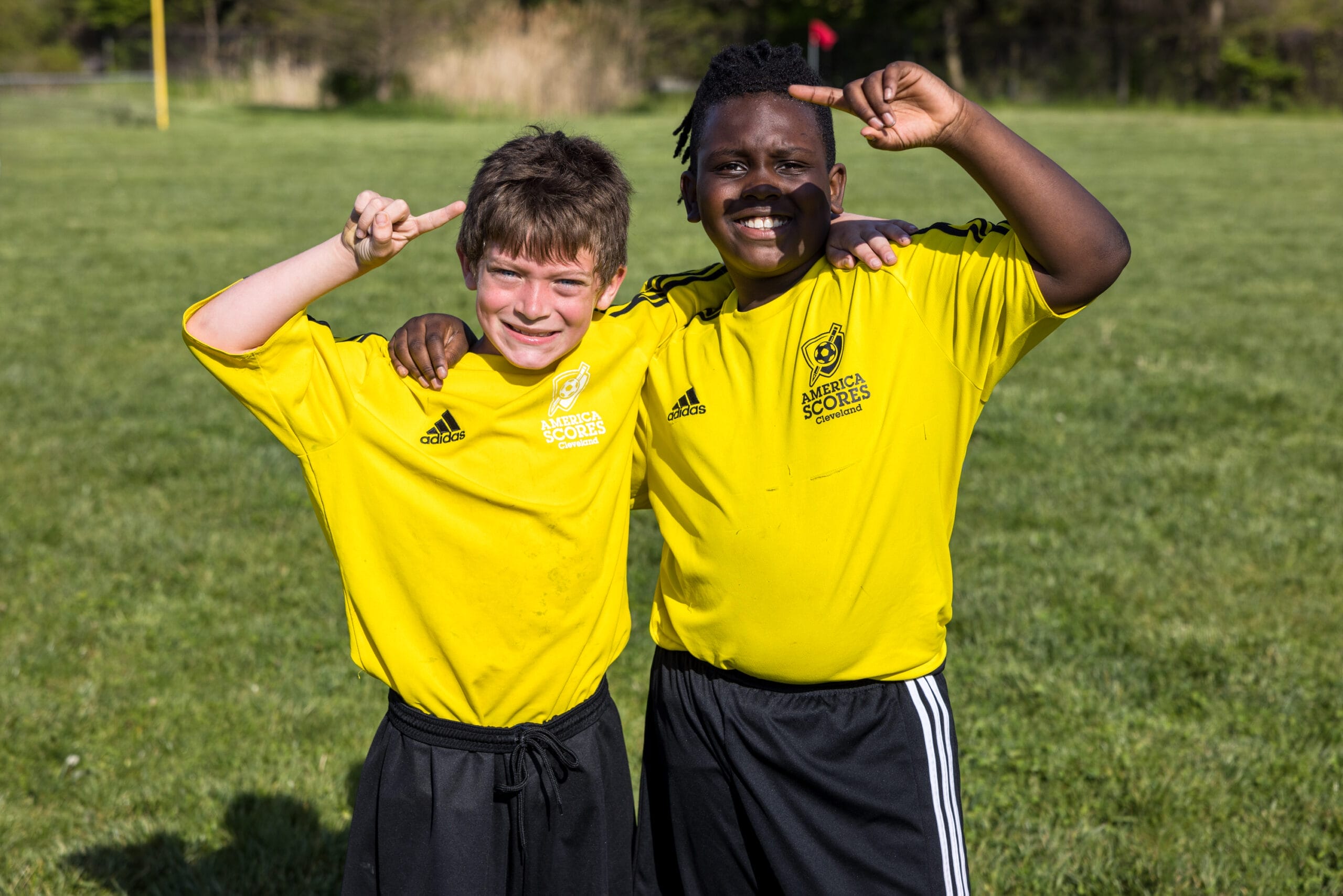

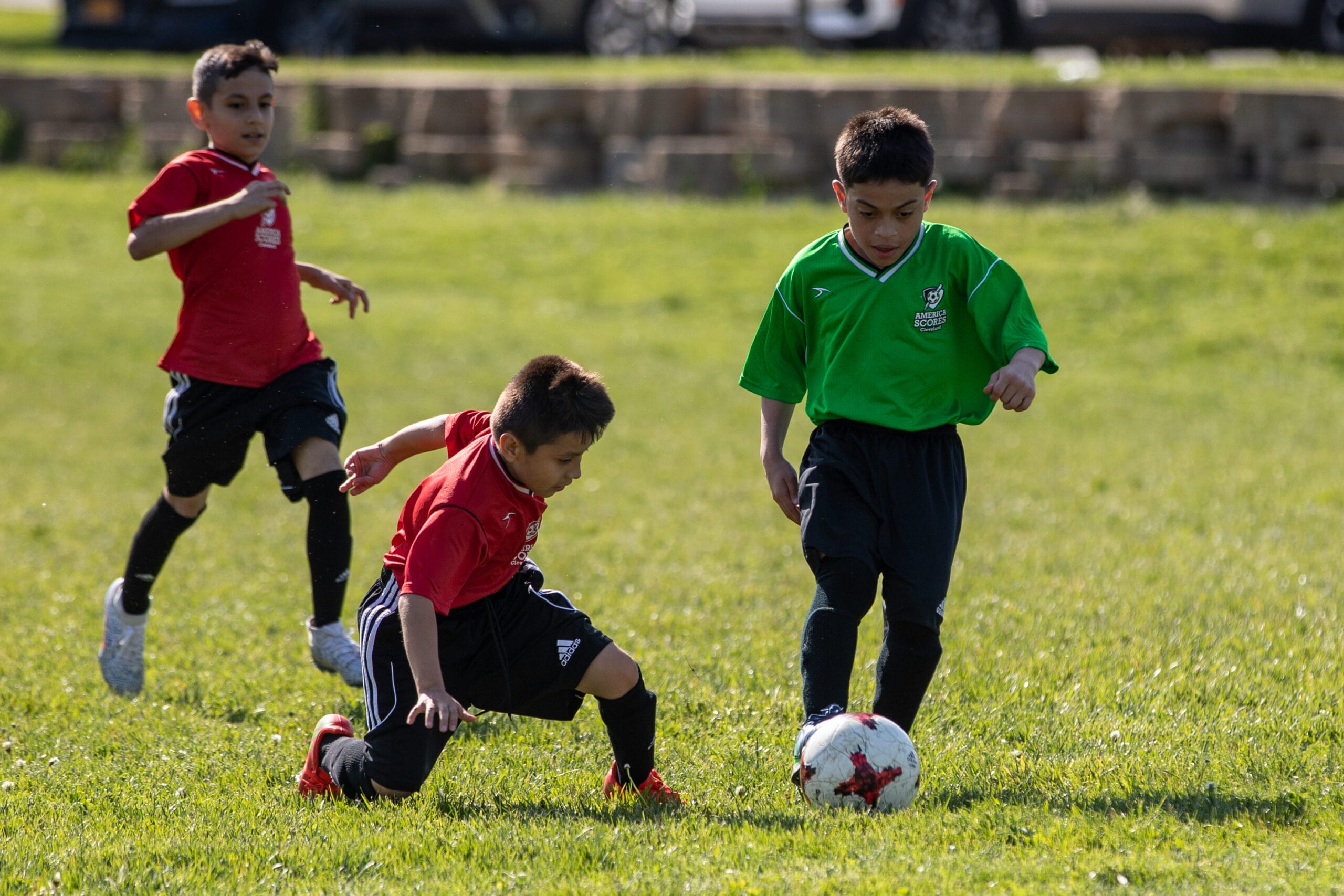
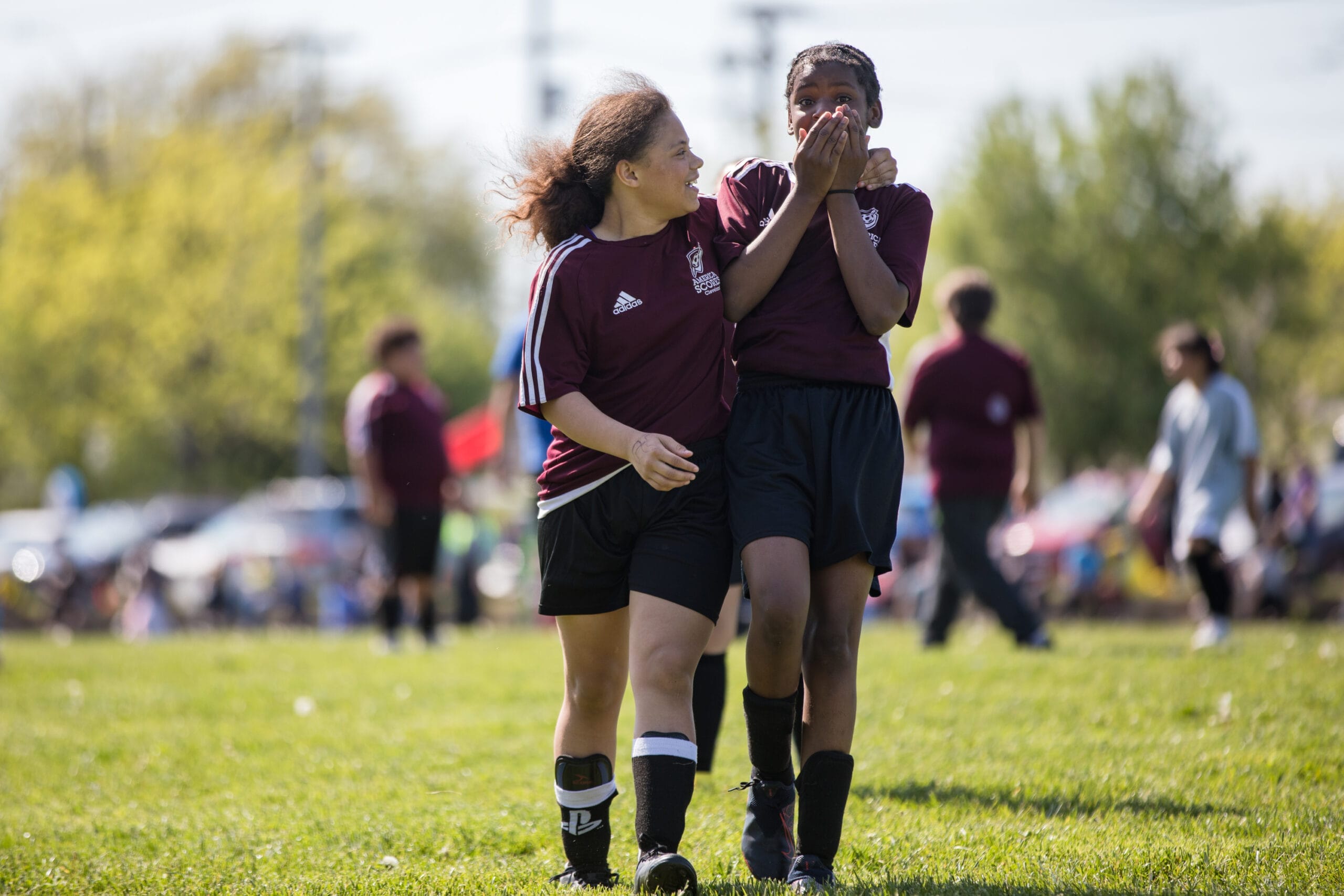


CSGF partnered with organizations trusted by the communities they wanted to reach. They chose locations convenient for both neighborhoods and were intentional about managing the program. They hired coaches that reflected the players’ cultural backgrounds, including second-generation Congolese Americans and US-born African Americans, and the coaches created intentionally diverse teams across youth camps and adult leagues.
At the start, social dynamics were a challenge. Youth participants were wary, and at times rude to one another. As the season went on, coaches observed players getting to know one another and building more empathy. Coaches prioritized building cultural competency for the players, even in moments like ice breakers. Over time, players established trust and found themselves working together as teammates.
As relationships grew, a soccer ball wasn’t the only thing they shared. Proud to show his new American-born friends the food of his homeland, one player brought fufu, a West African dish, to a practice so everyone could try it.
Players developed bonds that extended off the field, too. One player who is white and US-born was able to secure an internship for a Congolese-born teammate. These unexpected opportunities that happen when we local residents expand their social networks demonstrate the power of recreation programs to grow community.
