
Atlanta Journal-Constitution: Parks and Historic Sites Must Tell the Whole Story
At a time when foundational parts of our nation’s collective history are being targeted for erasure, Americans overwhelming agree that we must celebrate the milestones that protect our ever-growing story of America. A recent opinion-editorial in The Atlanta Journal-Constitution and public opinion polling reinforce why we must preserve the places where history happened, even the uncomfortable chapters.
By Lisa W. Foderaro
Published July 1, 2026



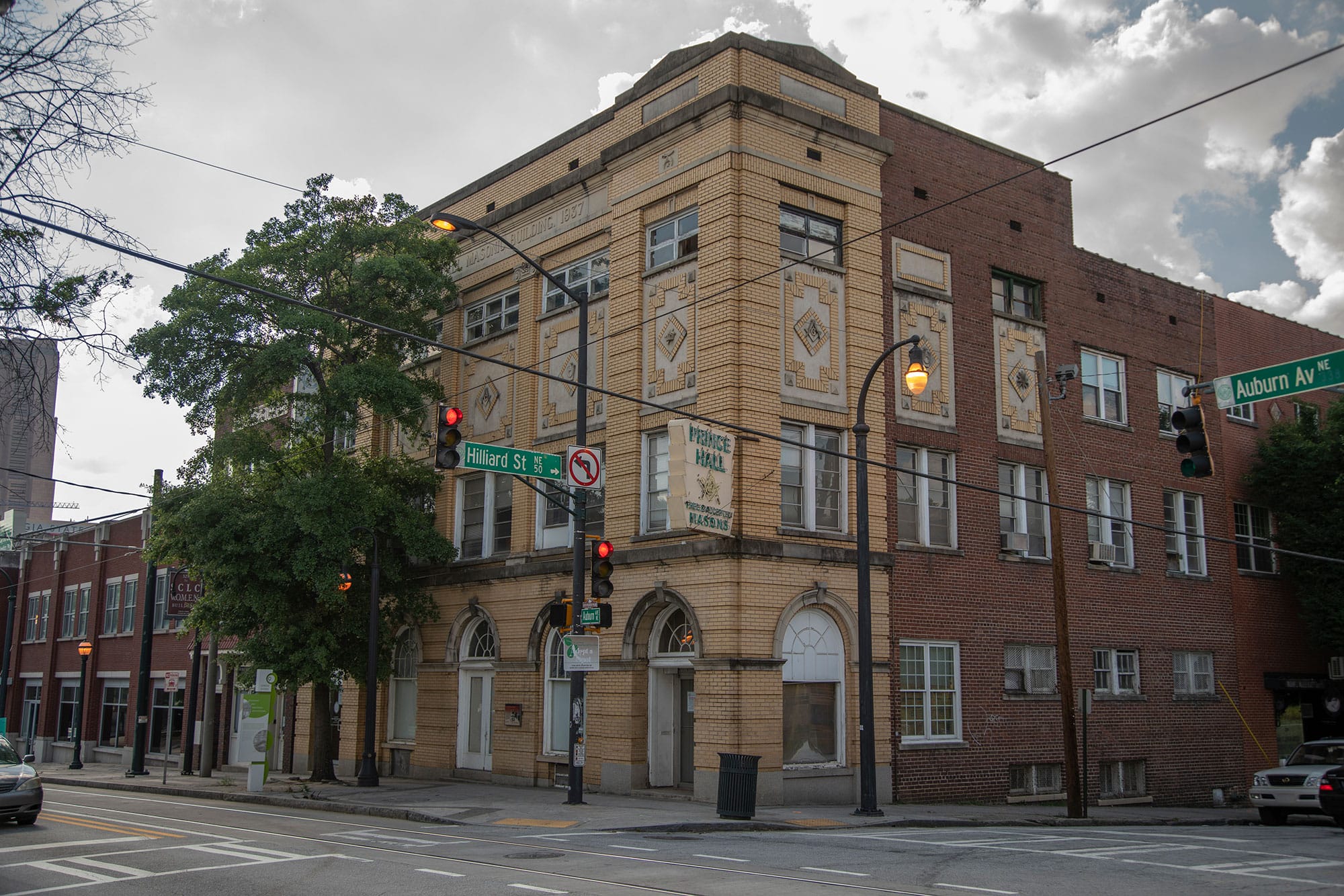
Earlier this year, Trust for Public Land celebrated the restoration and opening of the Prince Hall Masonic Grand Lodge, which housed Dr. Martin Luther King Jr.’s Southern Christian Leadership Conference, the organization at the vanguard of the civil rights movement. At the same time, the building officially joined the Martin Luther King Jr. National Historical Park in Atlanta. The Historical Park has long preserved not only King’s boyhood home, but the entire block of houses surrounding it, as well as Ebenezer Baptist Church where he preached.
In May, Trust for Public Land published an opinion piece in the Atlanta Journal-Constitution explaining the significance of making the lodge available to the public for the first time.
“The expansion of the Historical Park will create a more immersive experience for visitors and more fully represent the history of Black Americans, which, holistically, is the history of all Americans,” wrote the authors, Dr. Carrie Besnette Hauser, TPL’s president and CEO, and Philip June, a national board member for TPL and chair of its Black History & Culture Advisory Council.
The opening coincides with a campaign to downplay or erase more difficult aspects of American history at historic sites, landmarks and monuments, the opinion piece points out: “Against a backdrop of worrisome actions that whitewash the history our parks convey, we need to make sure we acknowledge our proud and regrettable chapters alike.”
Americans are emphatic in their desire to see an unvarnished narrative at the nation’s parks and historic sites. According to a new poll commissioned by Trust for Public Land, 88 percent of Americans agreed it was important to preserve historical and cultural landmarks in outdoor spaces that tell the full American story, including difficult histories such as slavery and the mistreatment of Native Americans.

According to a new survey commissioned by Trust for Public Land, a resounding majority of Americans, across geographies and political affiliations, see outdoor public spaces as central to who we are as a nation. Trust for Public Land has contributed to helping tell a more complete story of America through national parks, historic sites, and restoring Tribal homelands. But it is important to note that all civic institutions – from state and federal governments, to nonprofits and academia, to local parks and libraries – have an important role to play in celebrating and elevating the full breadth of our shared history.

Donate to become a member, and you’ll receive a subscription to Land&People magazine, our biannual publication featuring exclusive, inspiring stories about our work connecting everyone to the outdoors.
