Research and Resource Hub
From how-to guides to articles and toolkits, explore our extensive library of resources that help communities make the case for parks, open space, and conservation policies.
The Undeniable ROI of Community Parks and Green Spaces
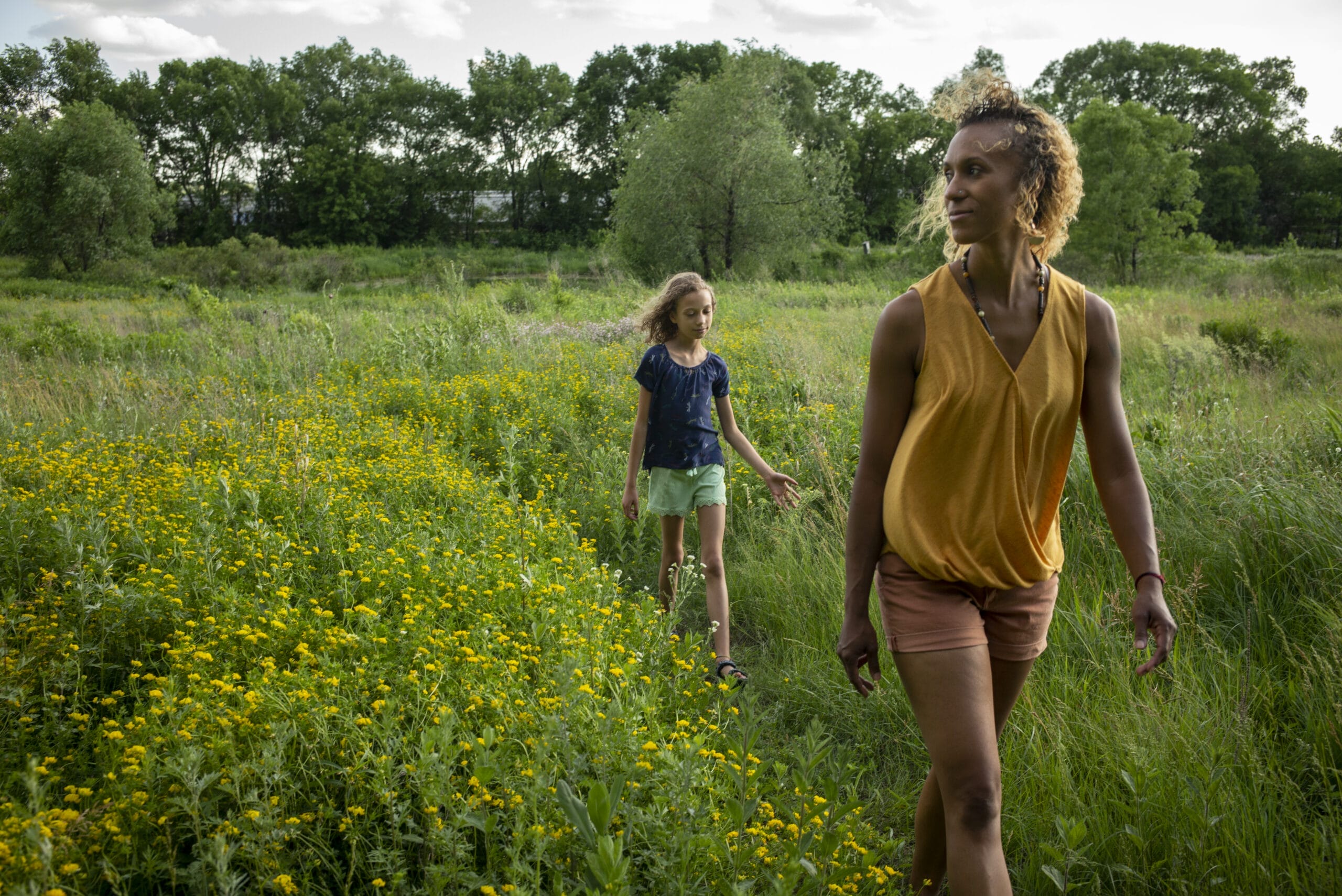
Trust for Public Land’s 2026 ParkScore® Report goes beyond rankings—it offers a powerful look at how parks are shaping the future of our communities. This year’s findings reveal that parks provide an undeniable return on investment: every $1 invested in parks and recreation returns, on average, at least $3 in local economic benefits each year. Explore the data, stories, and insights behind the top 100 park systems in the U.S.

The Integrity of America’s National Parks Depends on the Land and Water Conservation Fund.

The popularity and the value of public lands to the millions of Americans who treasure them is clear. Few issues enjoy such broad, bipartisan support across age groups, income levels, and regions as the protection of our national parks and public lands. The fact is we need more public lands, not less.

How growing cities across the U.S. are investing in parks and open spaces to attract workers, businesses, and economic development opportunities.

When we conserve lands, we’re doing more than saving precious natural areas. Each acre helps address the climate crisis, as trees, plants, and soils act as a carbon reservoir.


