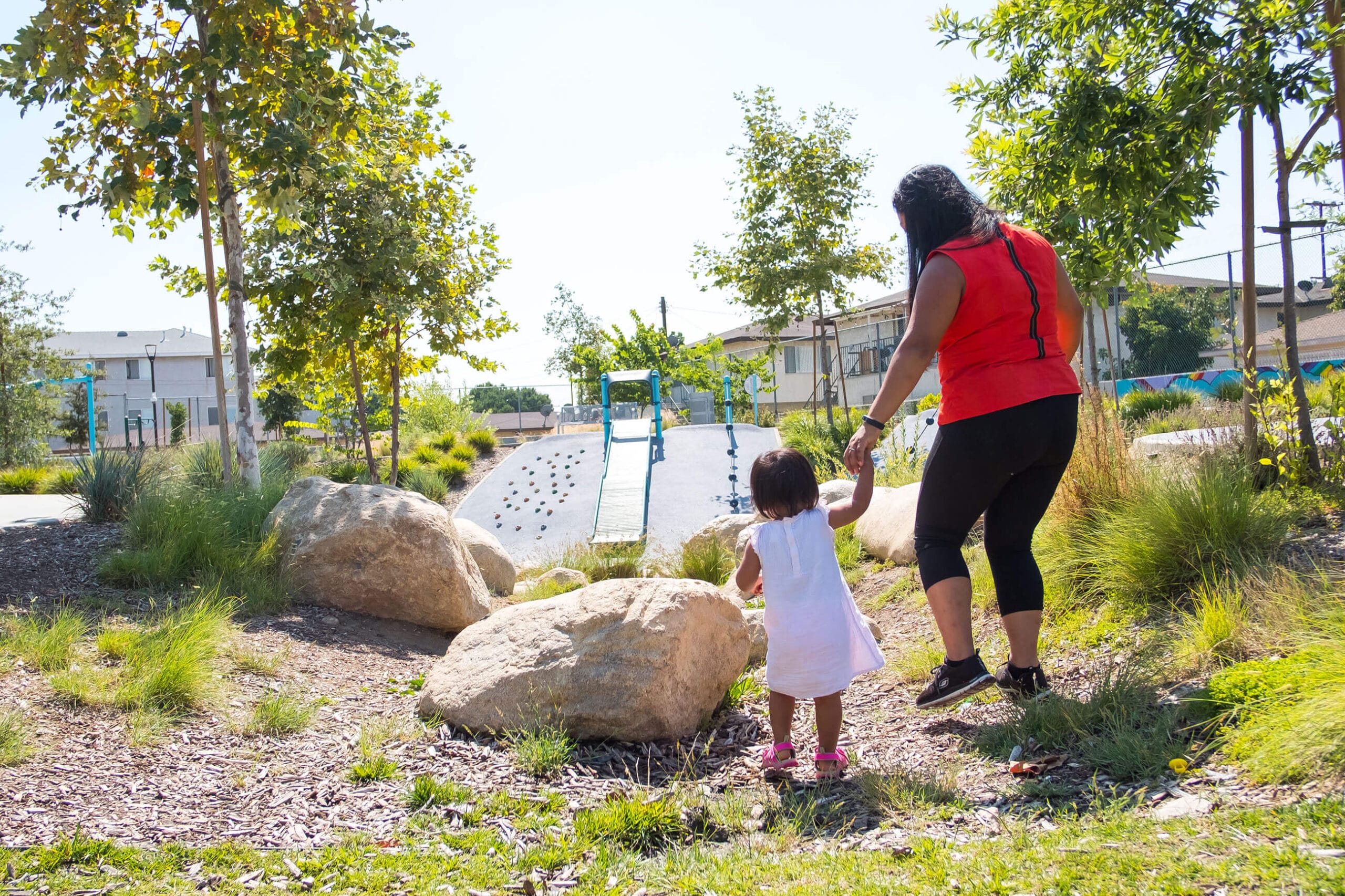
Connecting Everyone to the Outdoors
We create parks and protect public land where they’re needed most so that everyone will have access to the benefits and joys of the outdoors for generations to come.
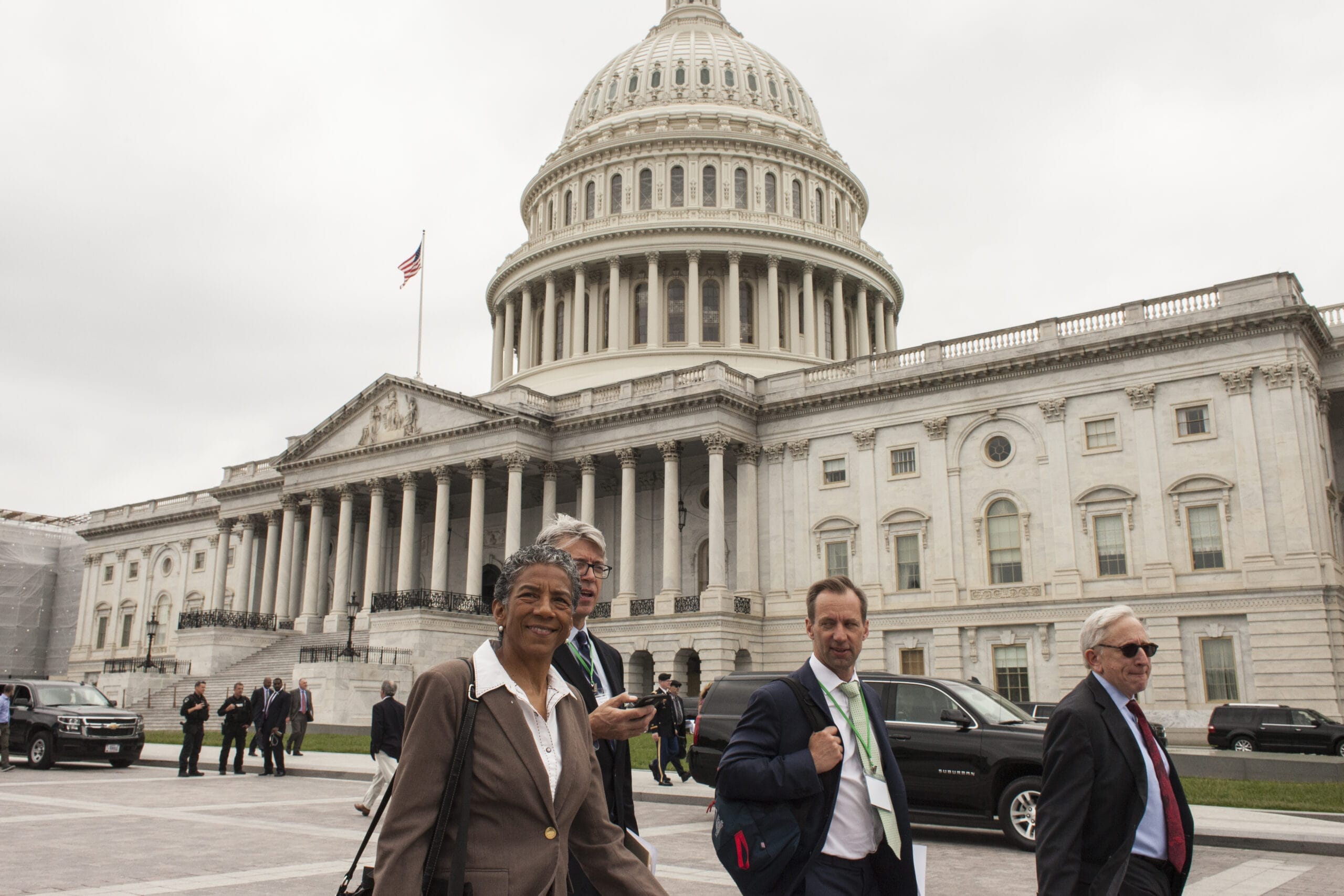
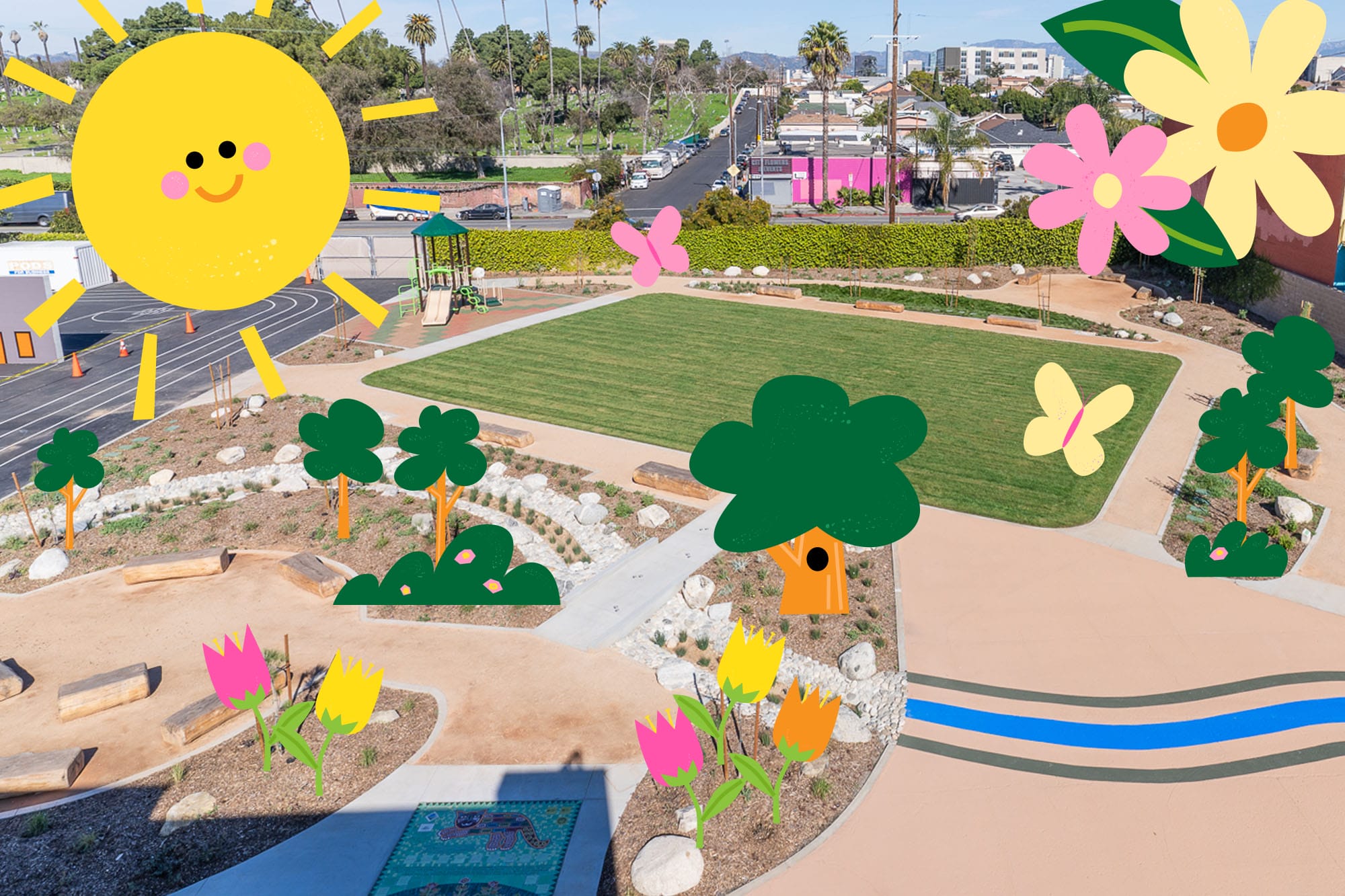
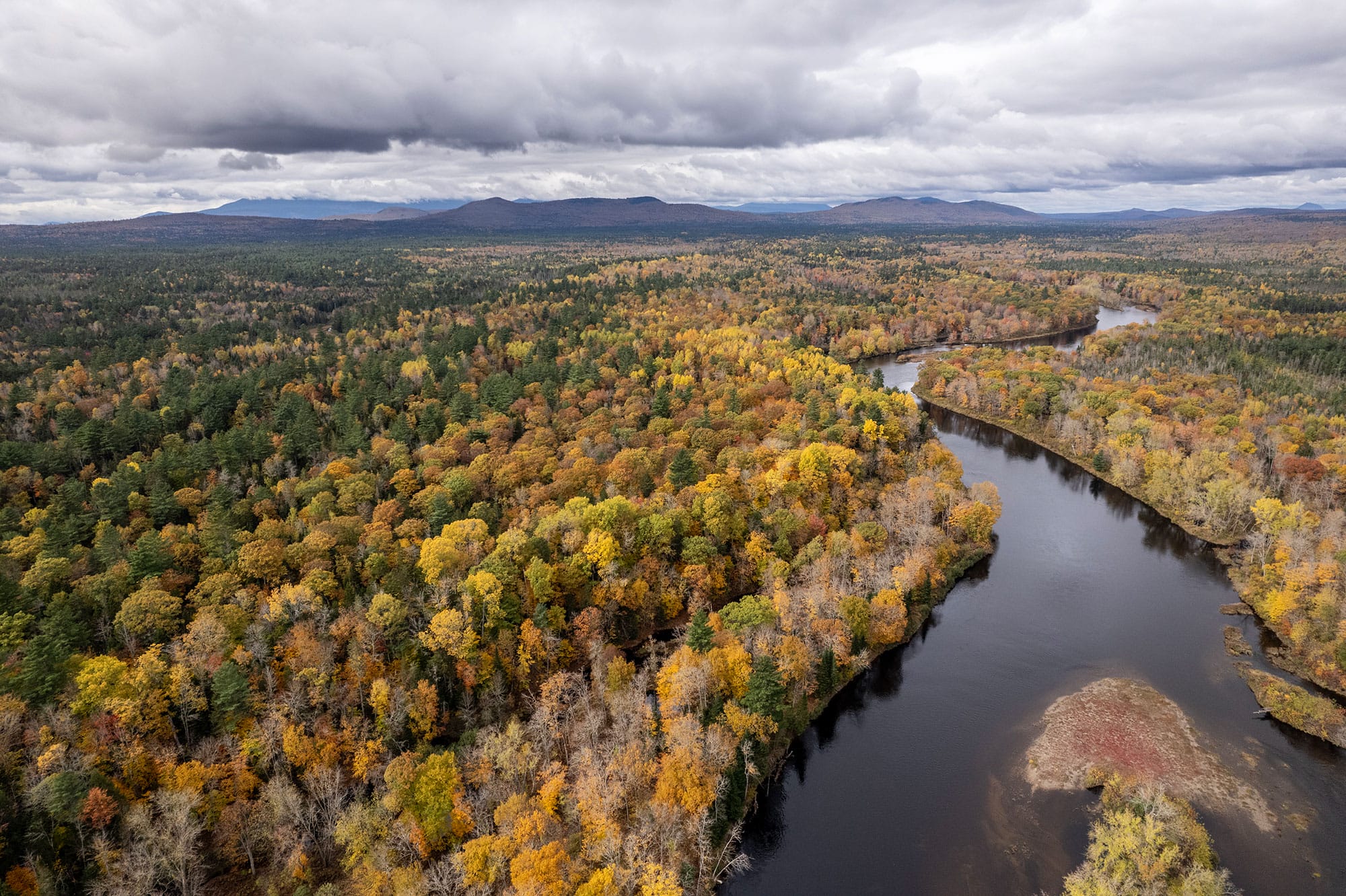
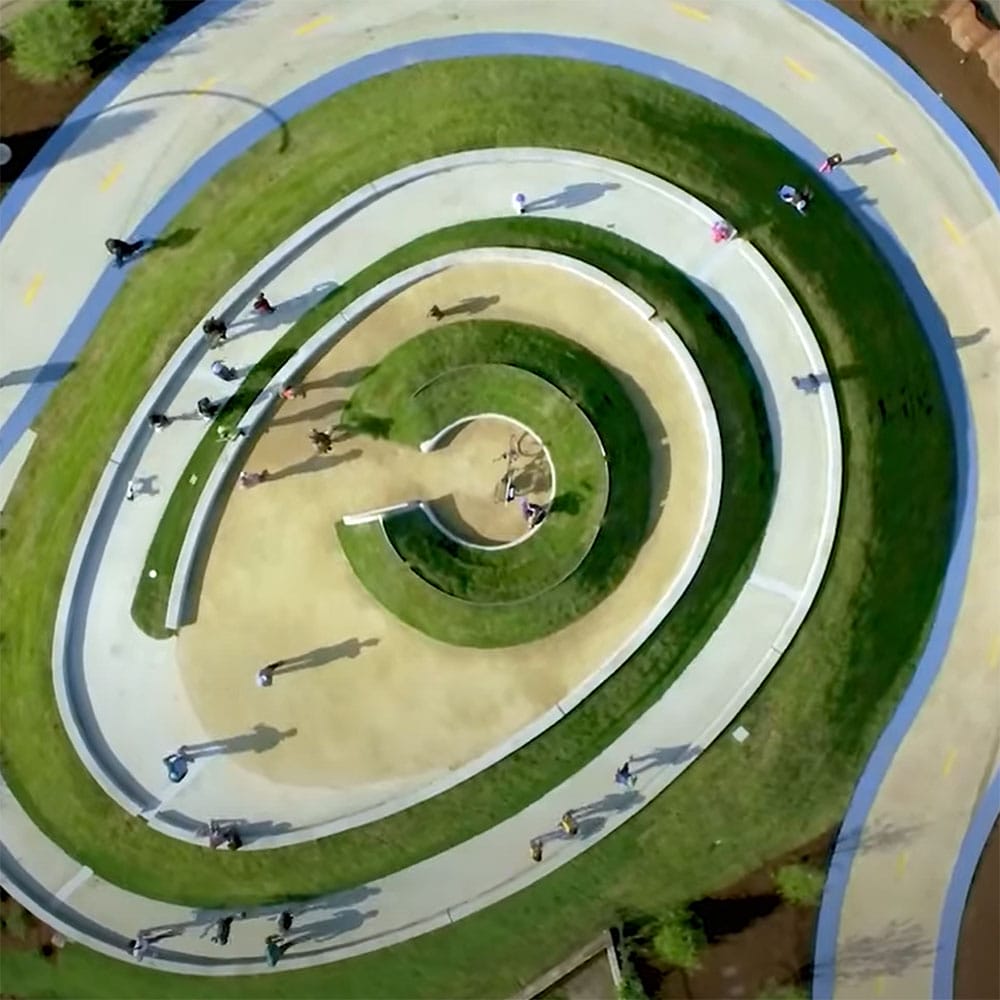
Since 1972, We’ve Created Thousands of Parks and Protected Millions of Acres of Public Land


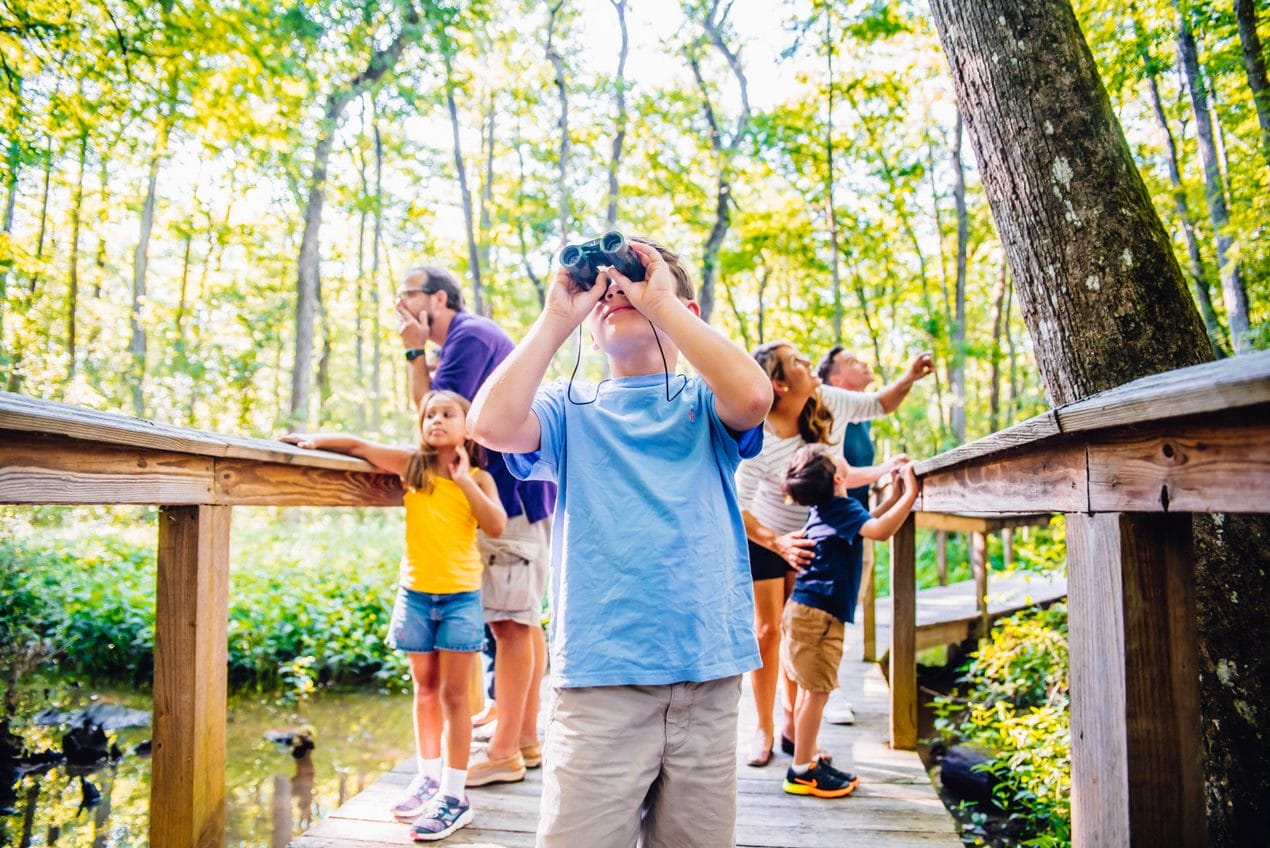
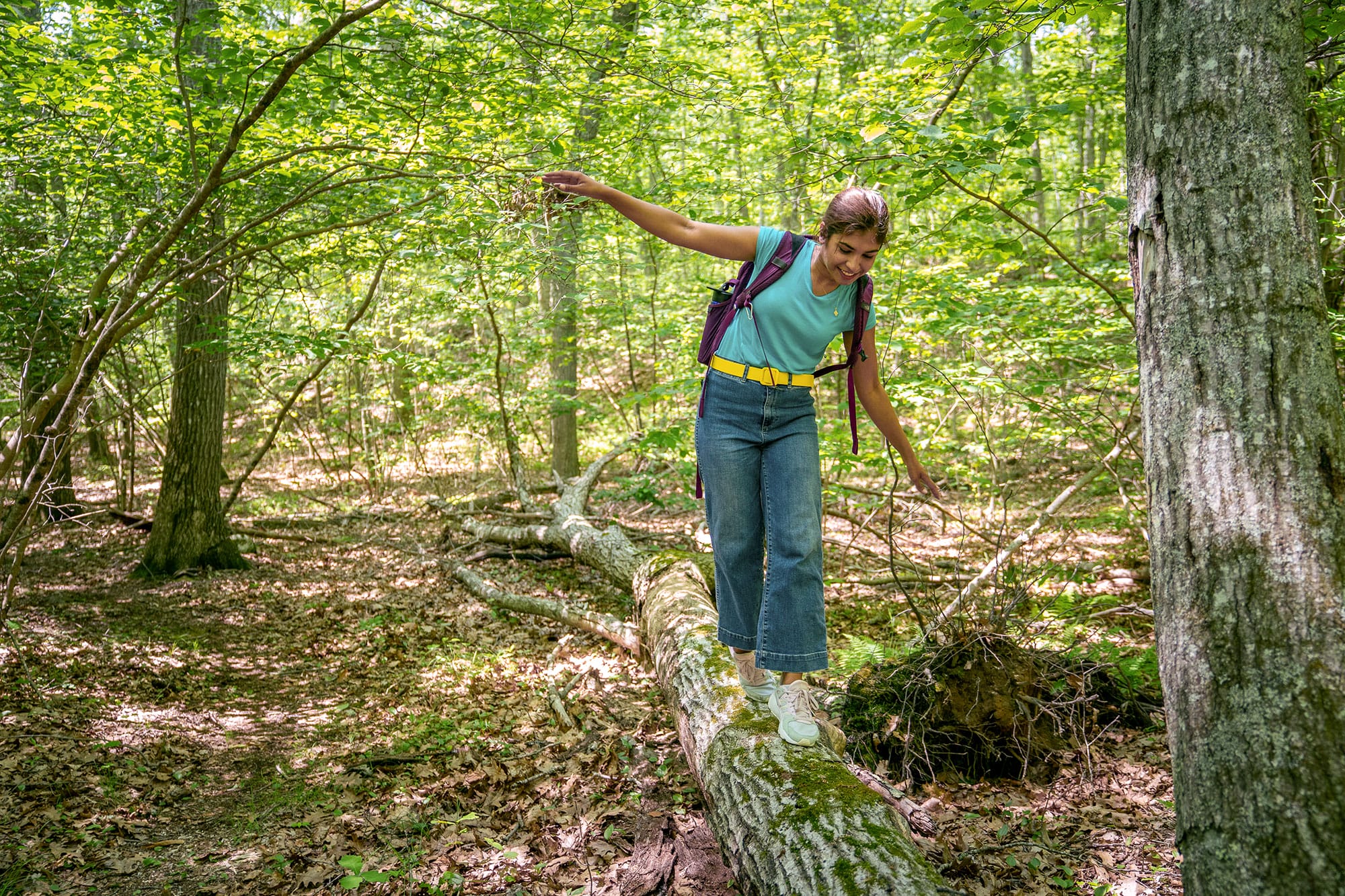
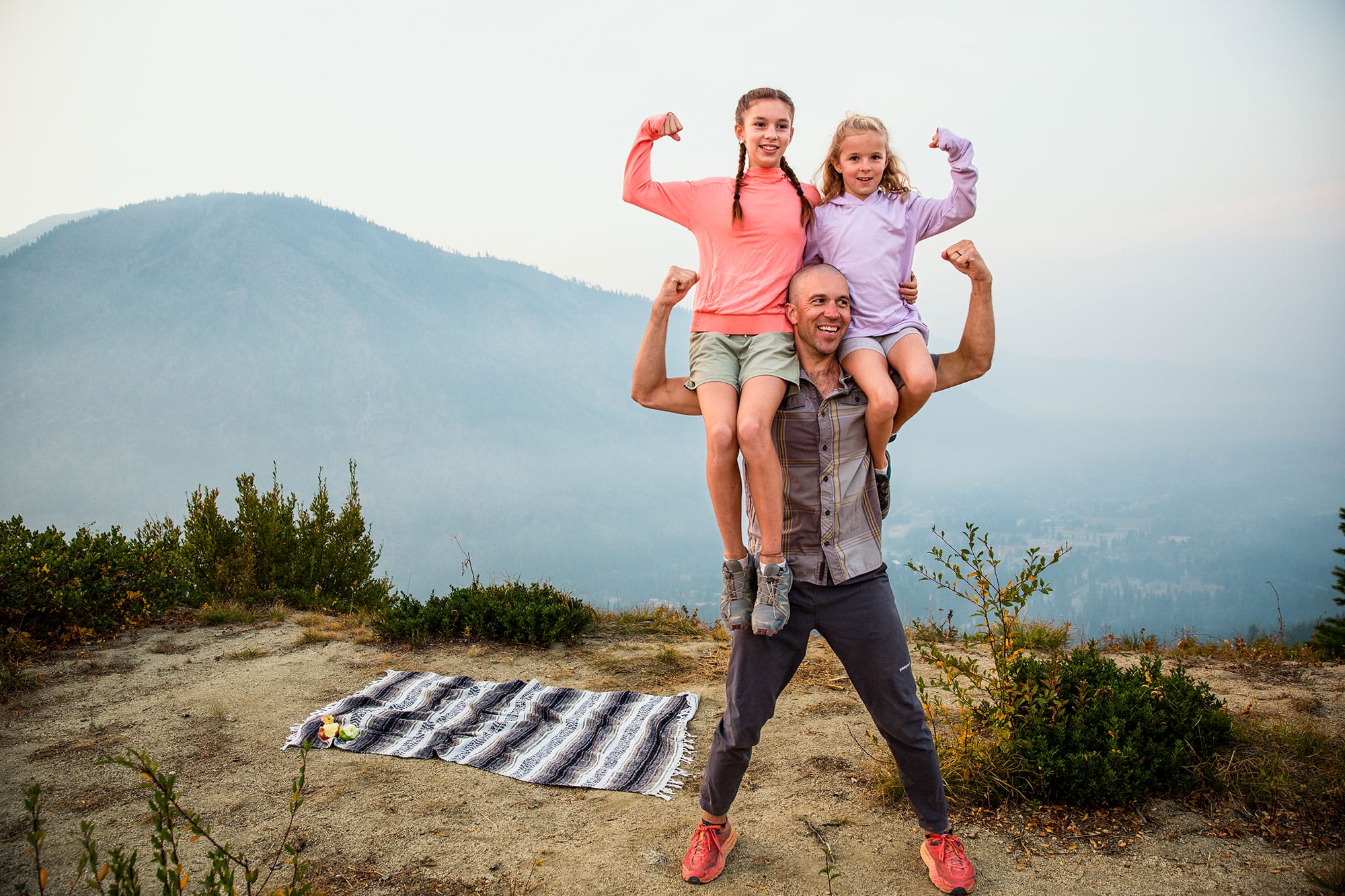
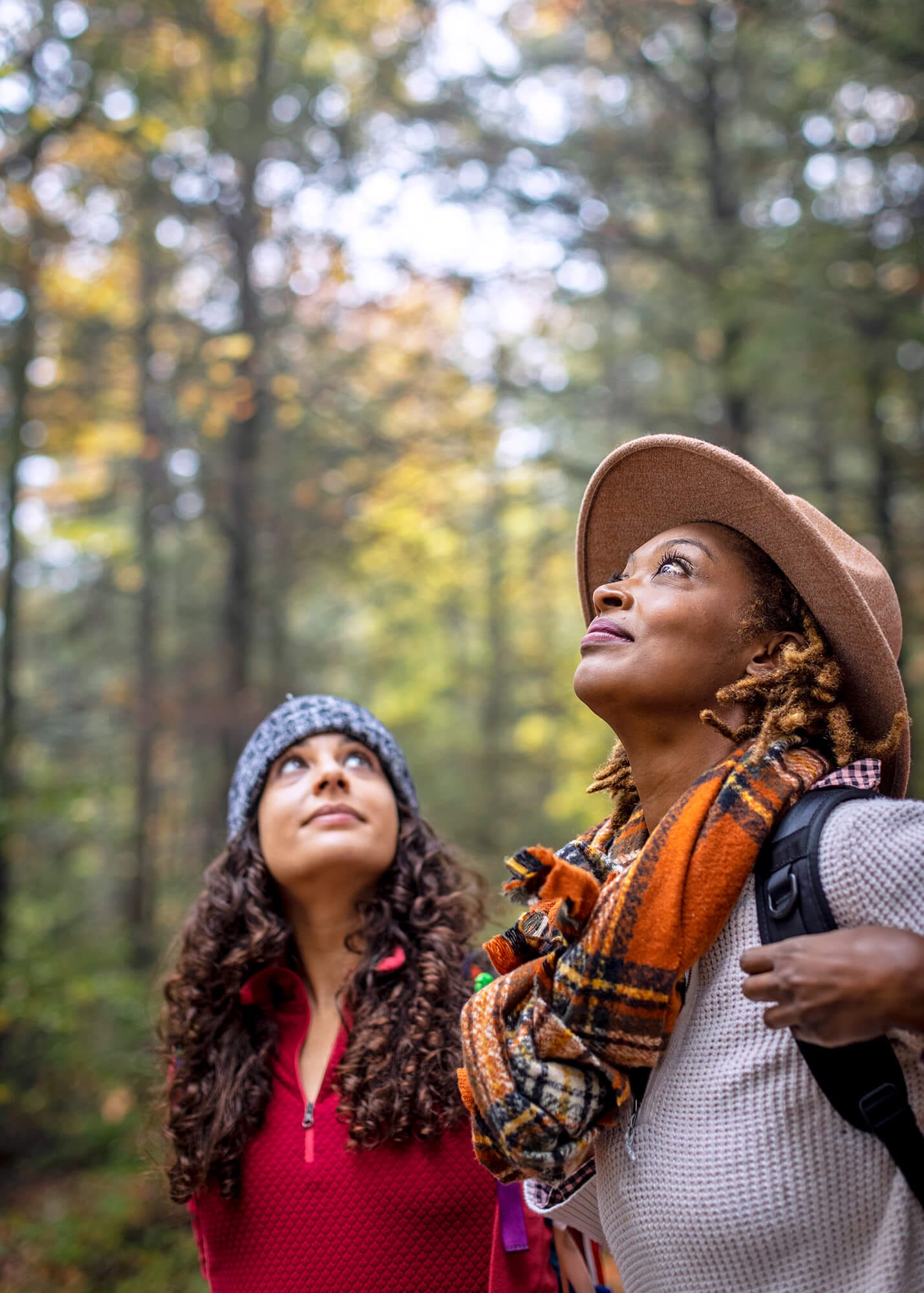
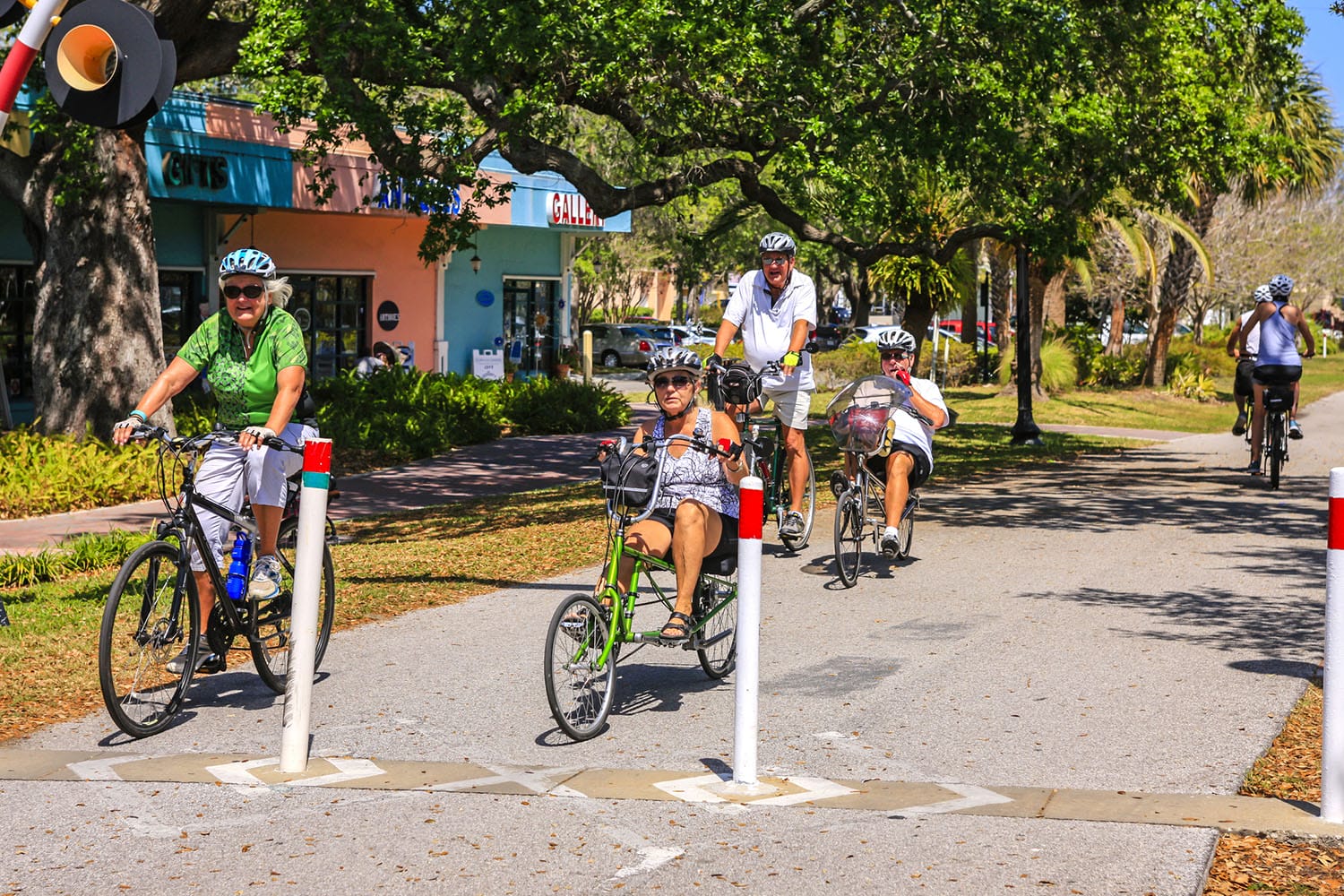
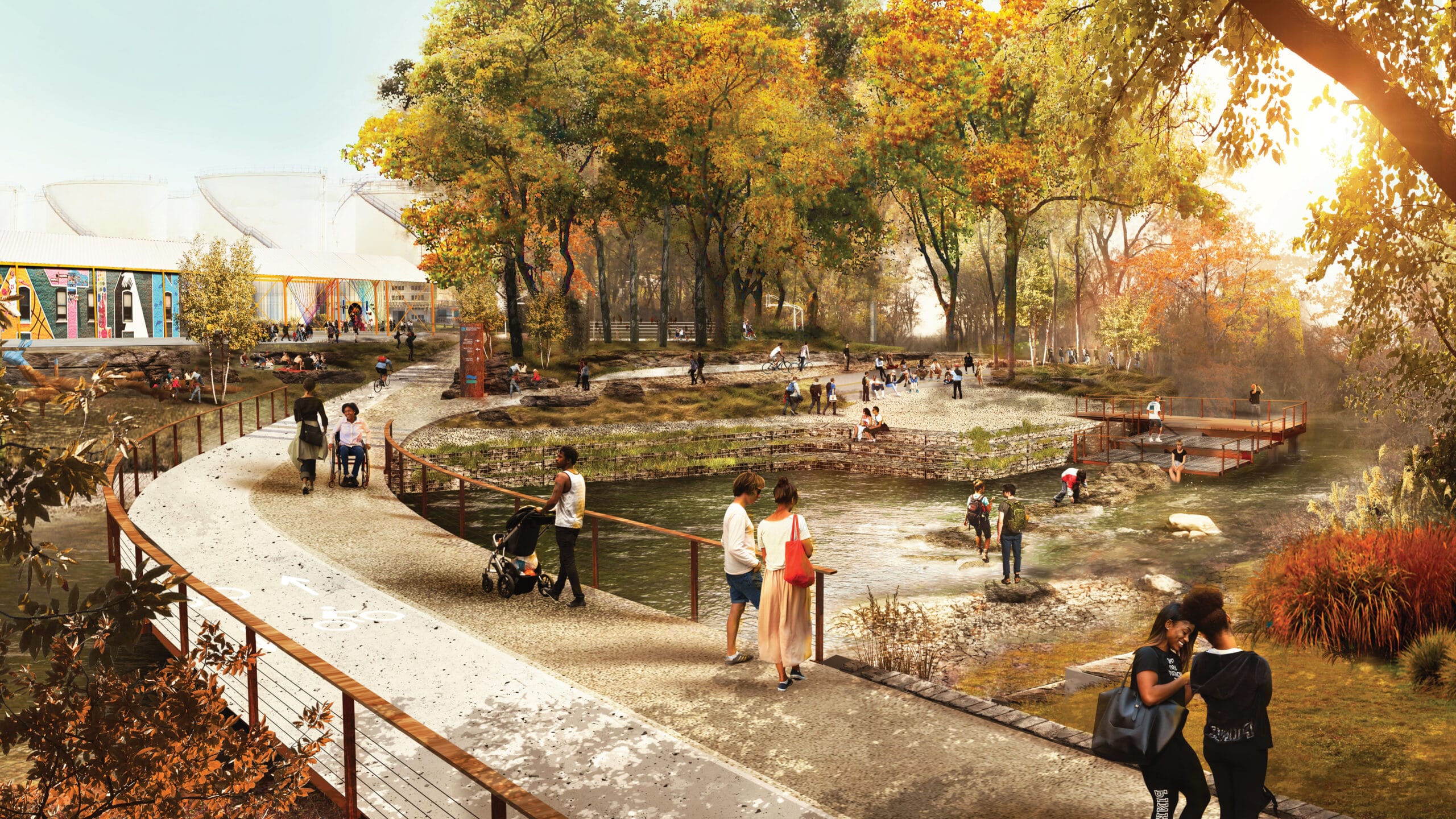
Spending time outdoors improves people’s health, nurtures their joy, and strengthens their connection to nature and one another. That’s why we’re on a mission to create and protect places that bring us outside—parks, trails, playgrounds, and public lands—and make them available to everyone, everywhere.

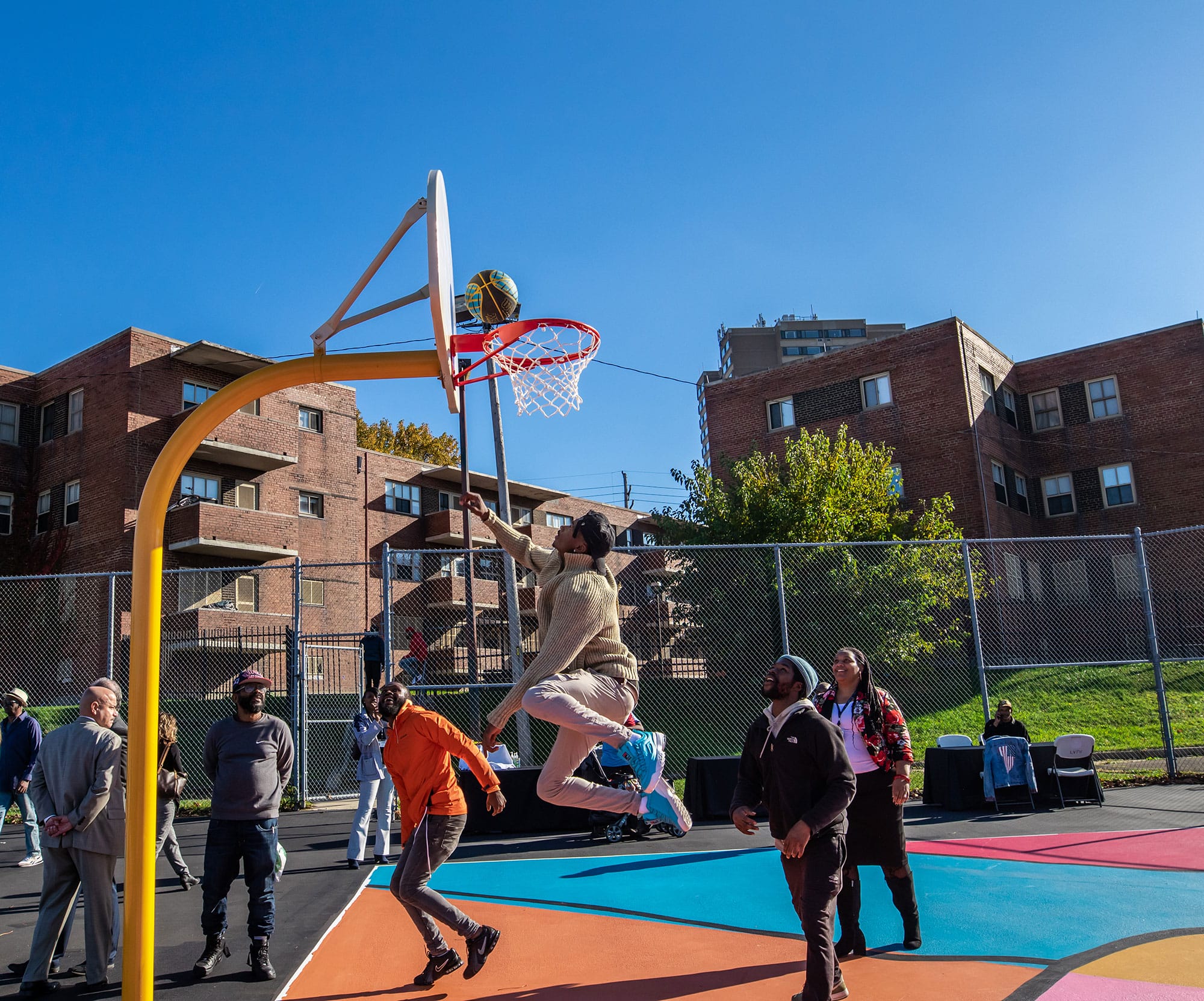
The outdoors are essential to our well-being, but unfortunately, access to green spaces isn’t equal. Millions of people in the U.S. don’t have a quality park close to home. What’s more, parks located in communities of color are half the size of parks in predominantly white neighborhoods, and serve five times more people per acre. We’re working to change that reality—one park, one trail, one schoolyard at a time.
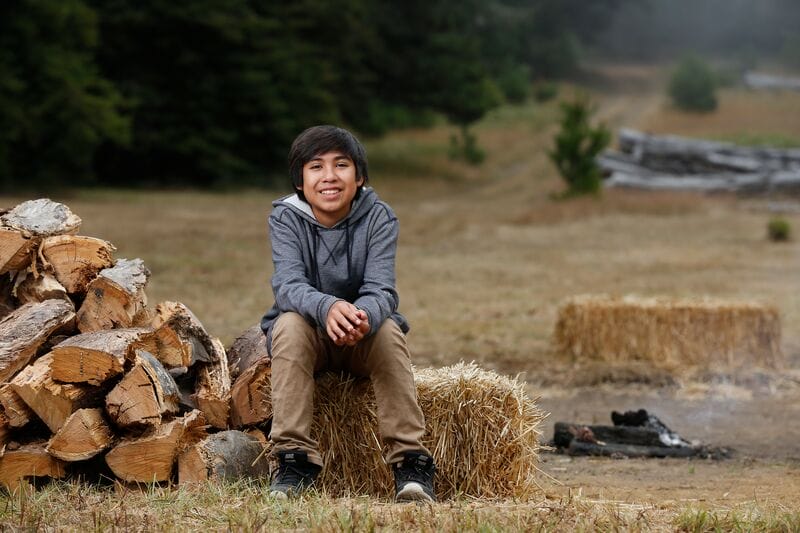
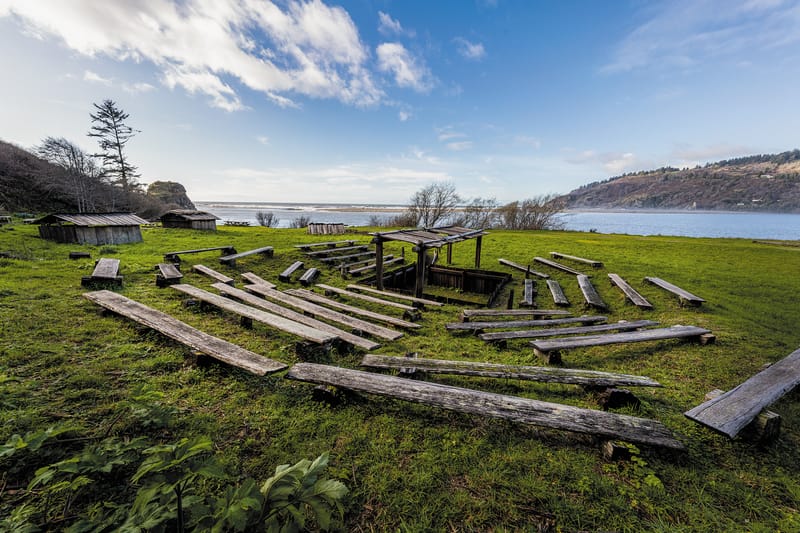
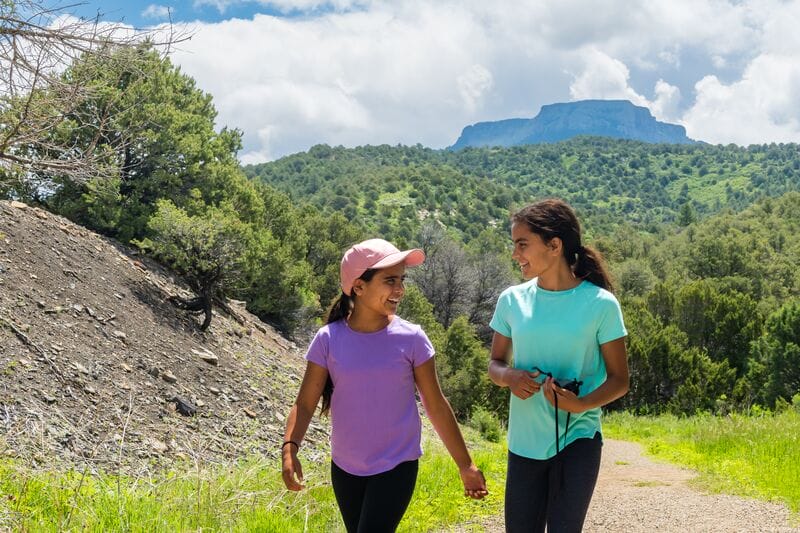
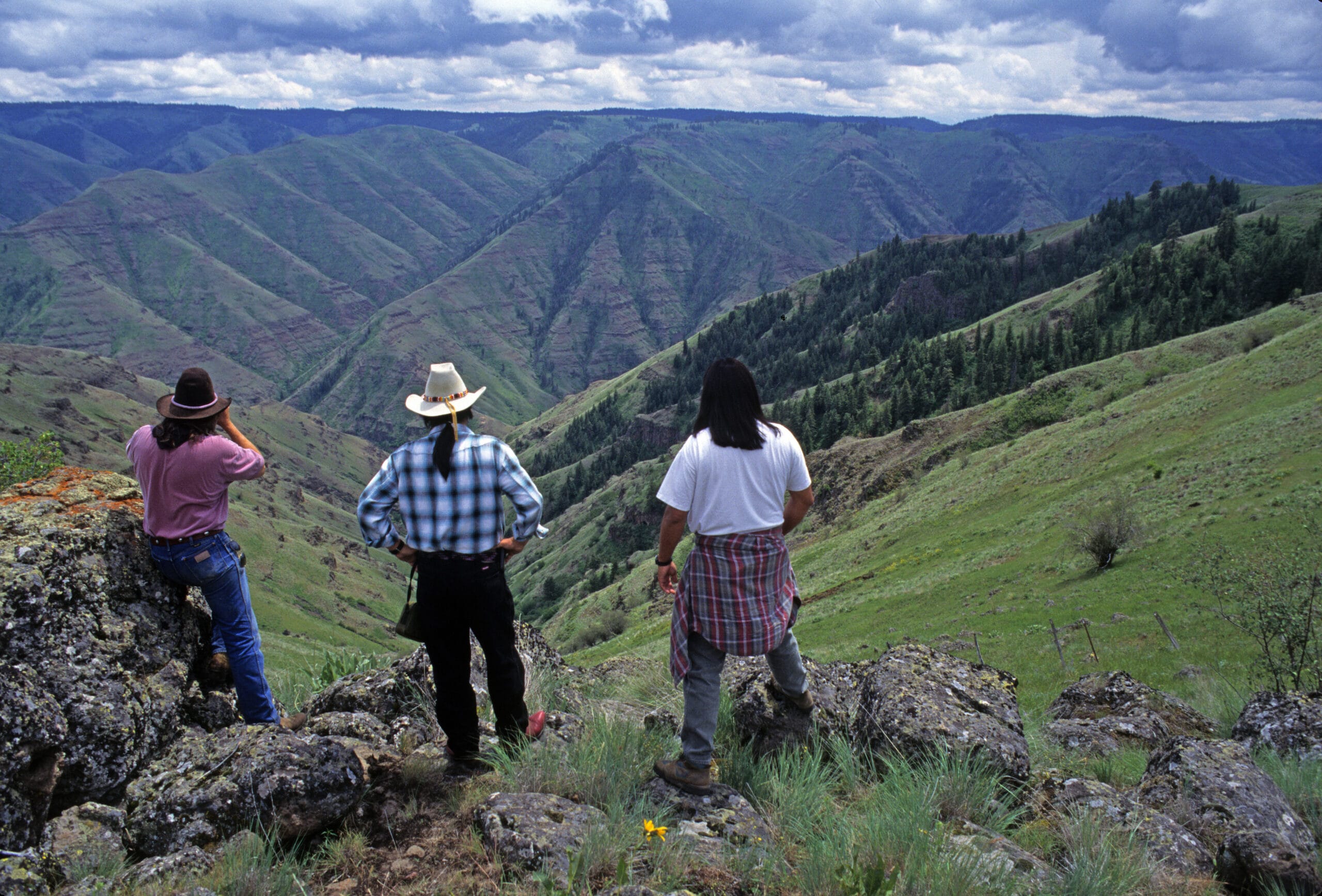
We’re committed to advancing our Tribal Land and Black History and Culture work. For decades, we’ve partnered with tribal and Indigenous communities to reconnect and restore their ancestral homelands. And we’ve been preserving cultural sites tied to Black American history since our founding. But there’s more to do—together, we can build a more equitable and inclusive future—starting with the outdoors.
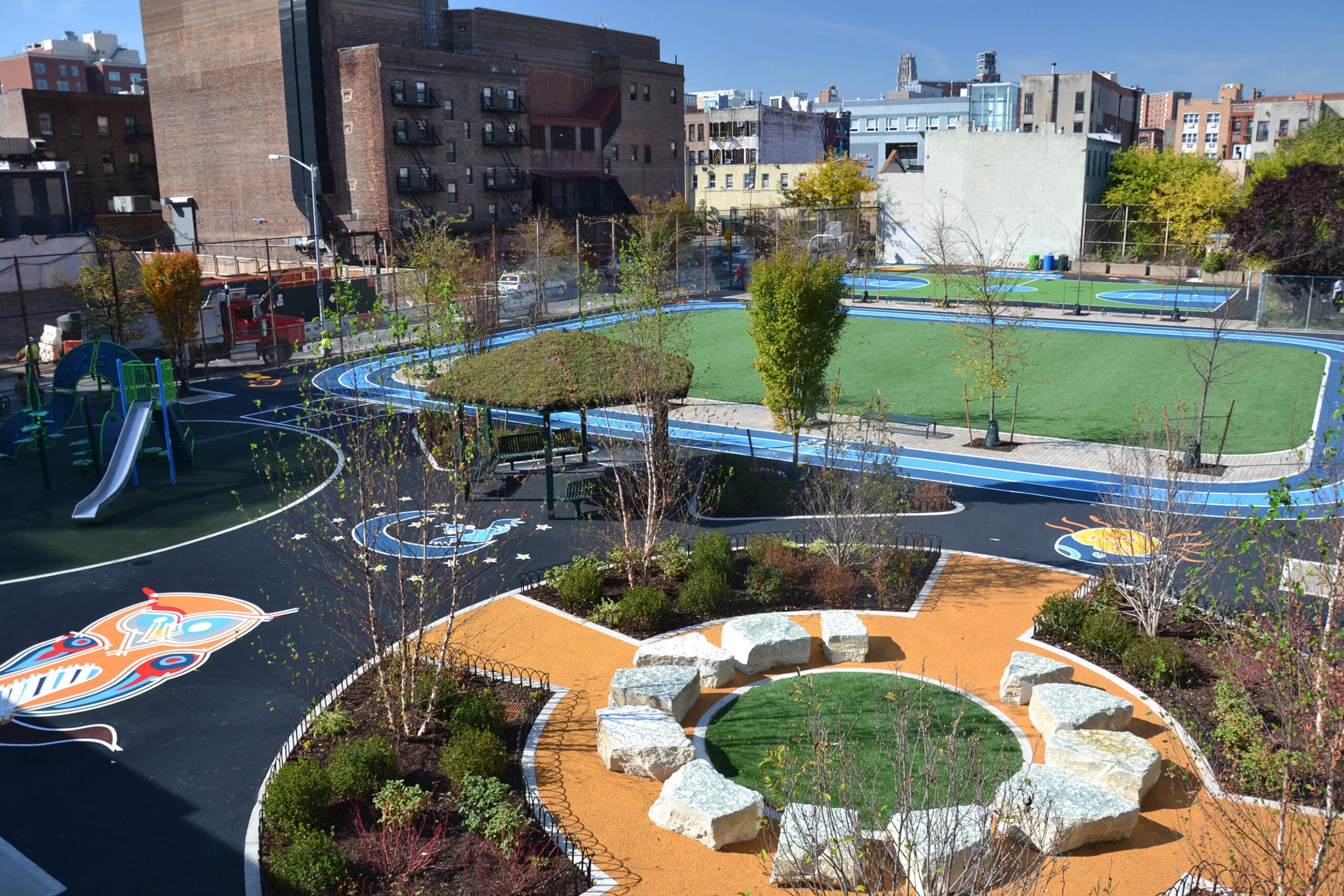
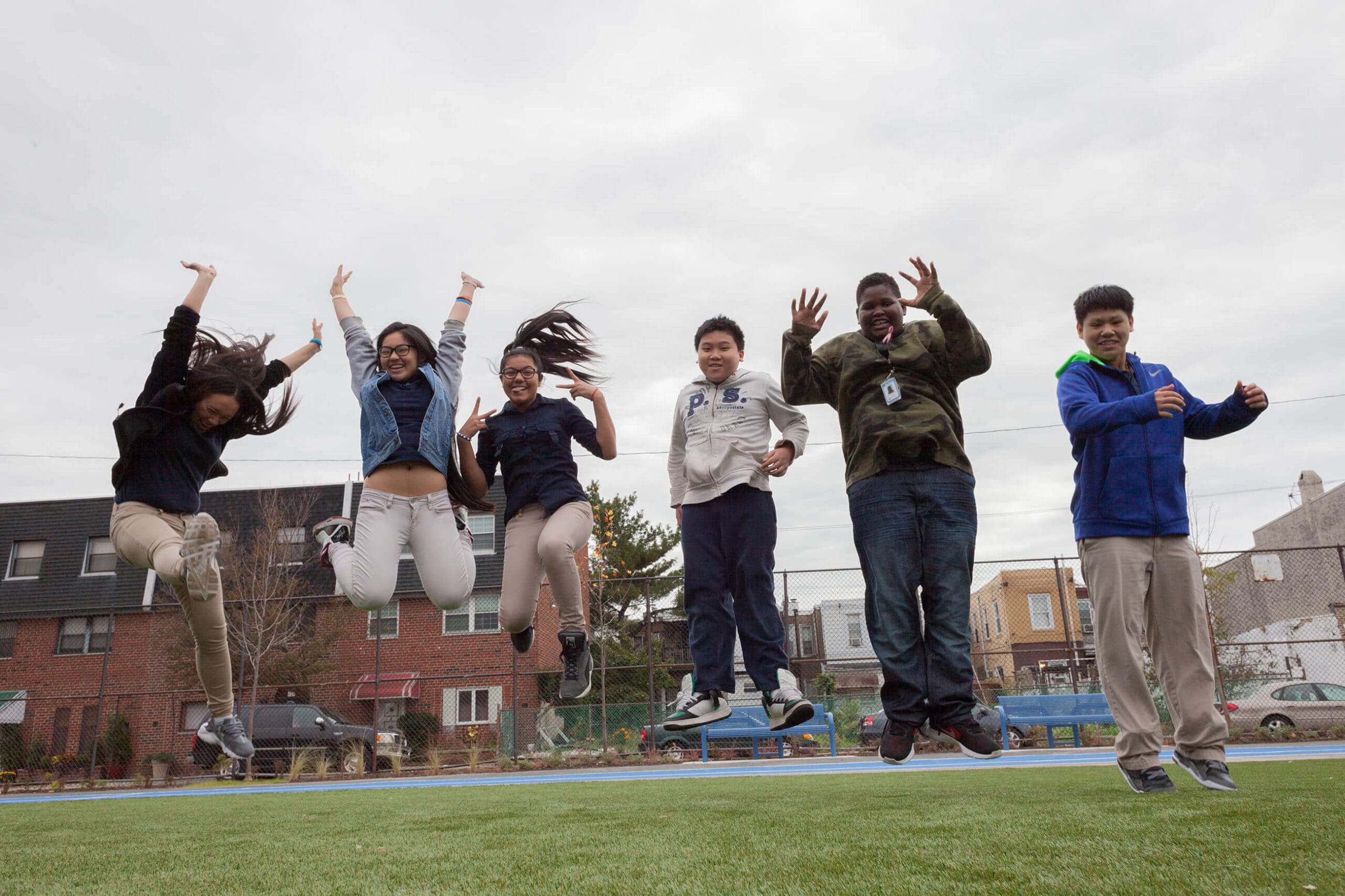
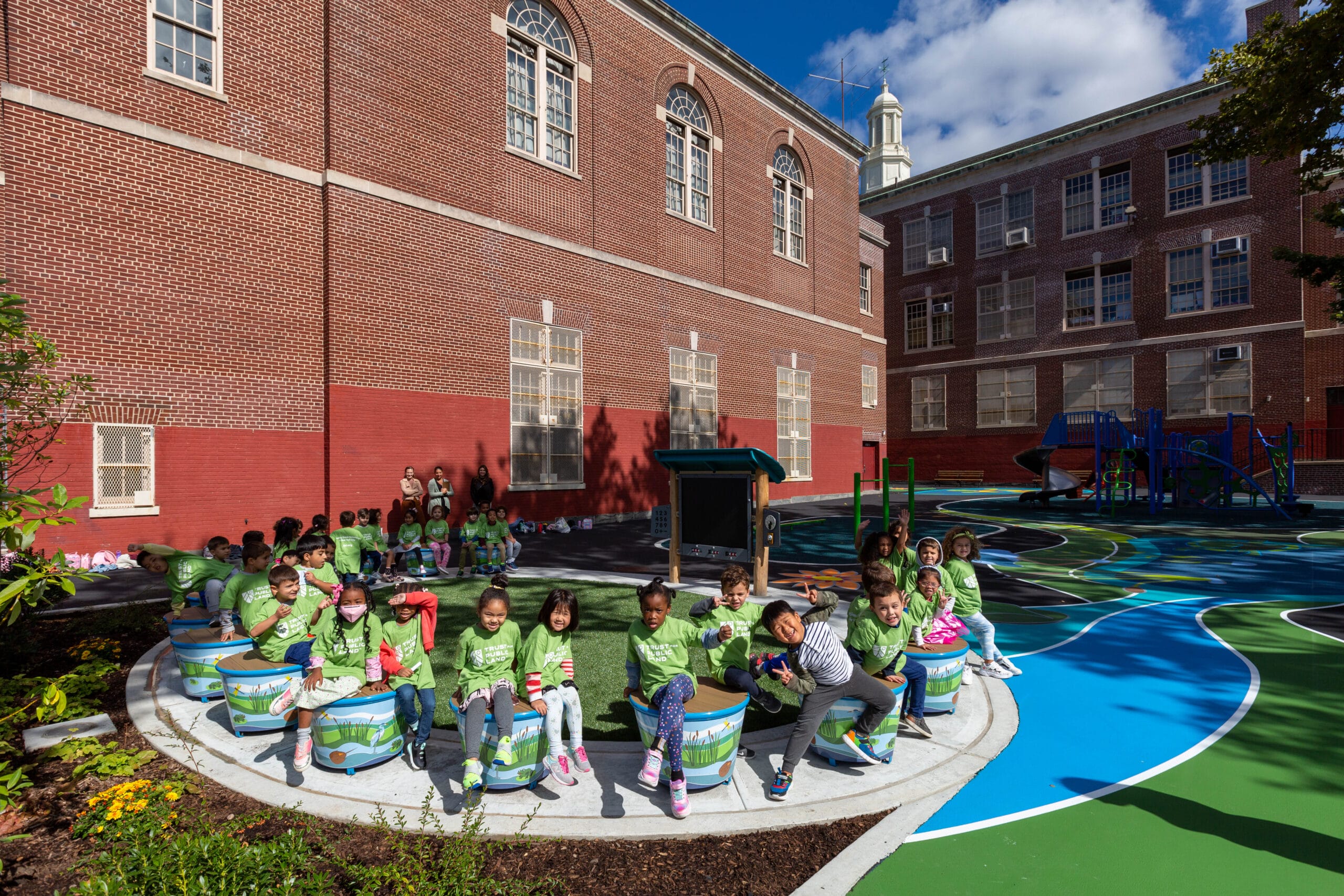
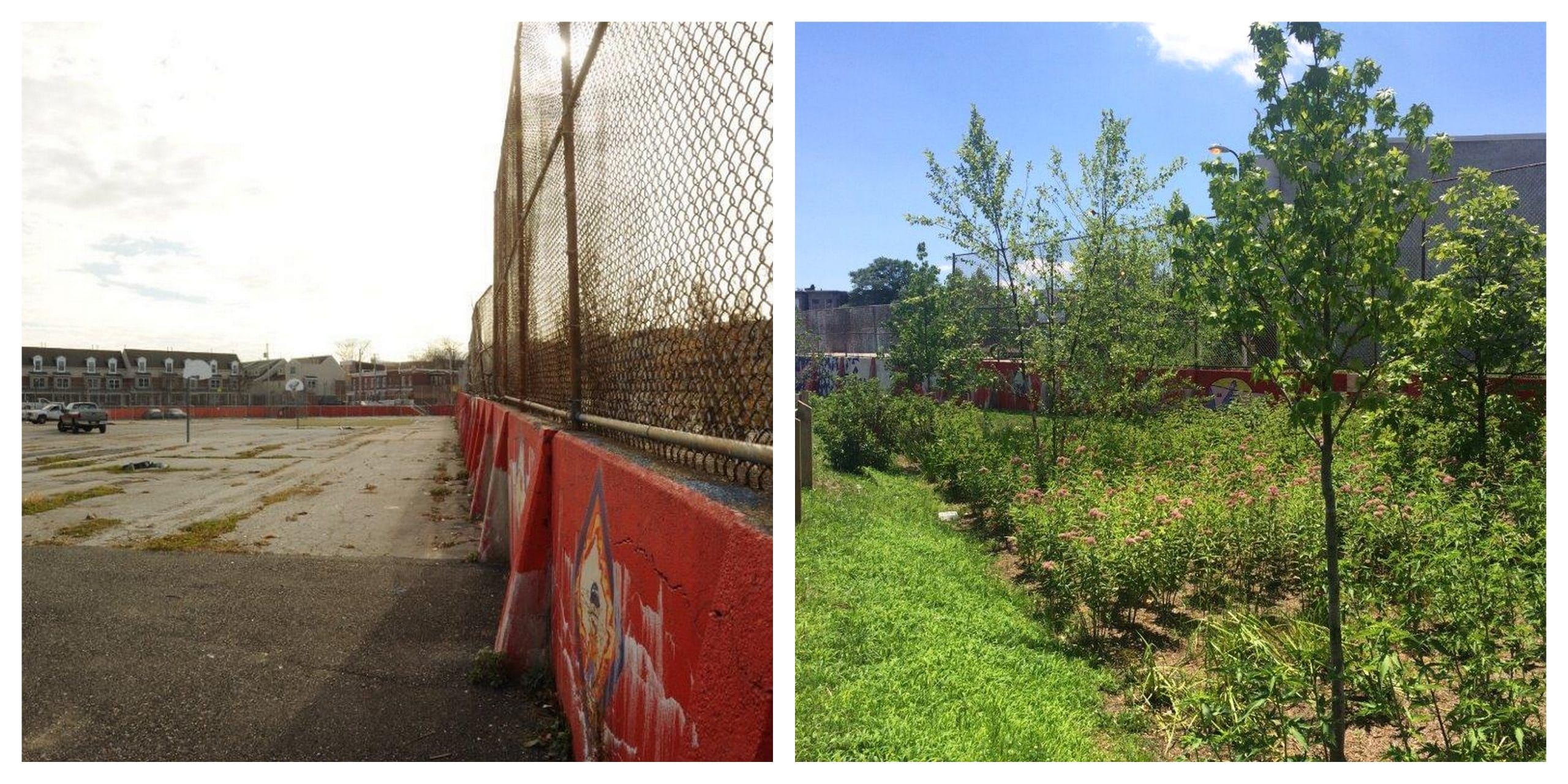
From transforming schoolyards to preserving national parks, our work is changing communities across the country.

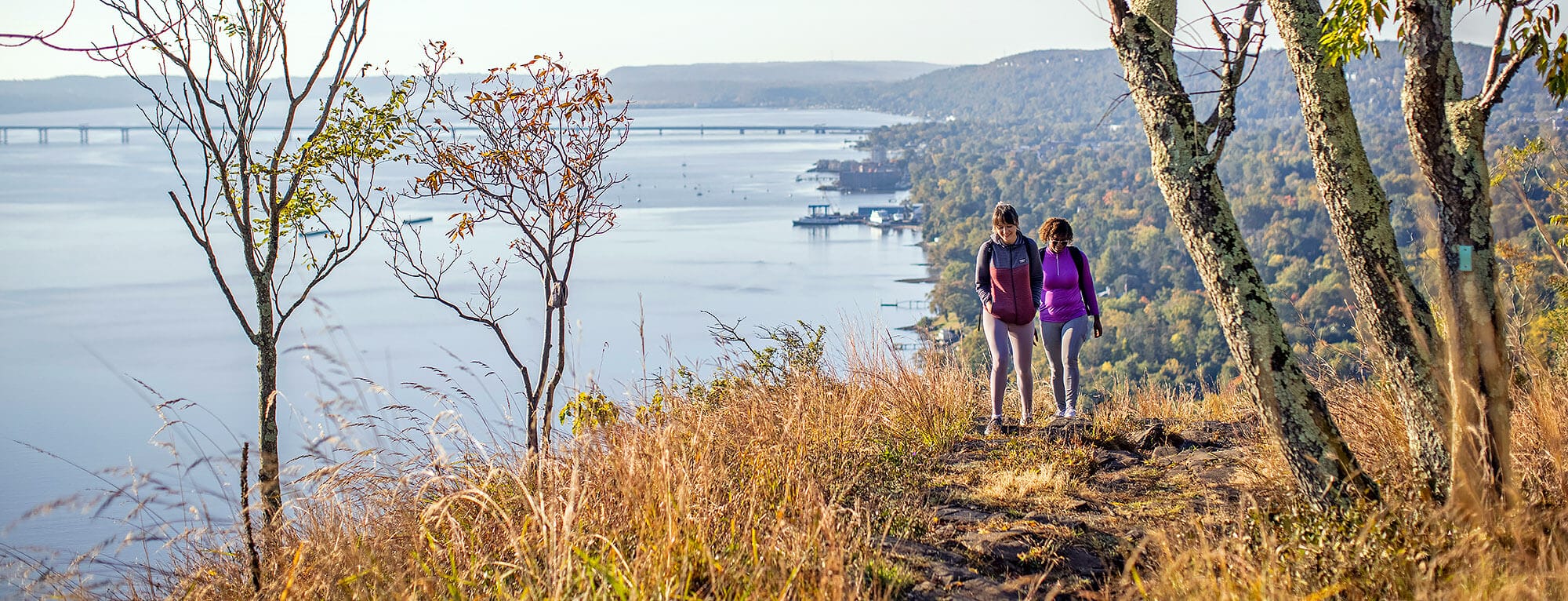
Sign one or more of our petitions. Let lawmakers know that our outdoor spaces must be protected and that everyone needs equal access to the benefits and joys of the outdoors.

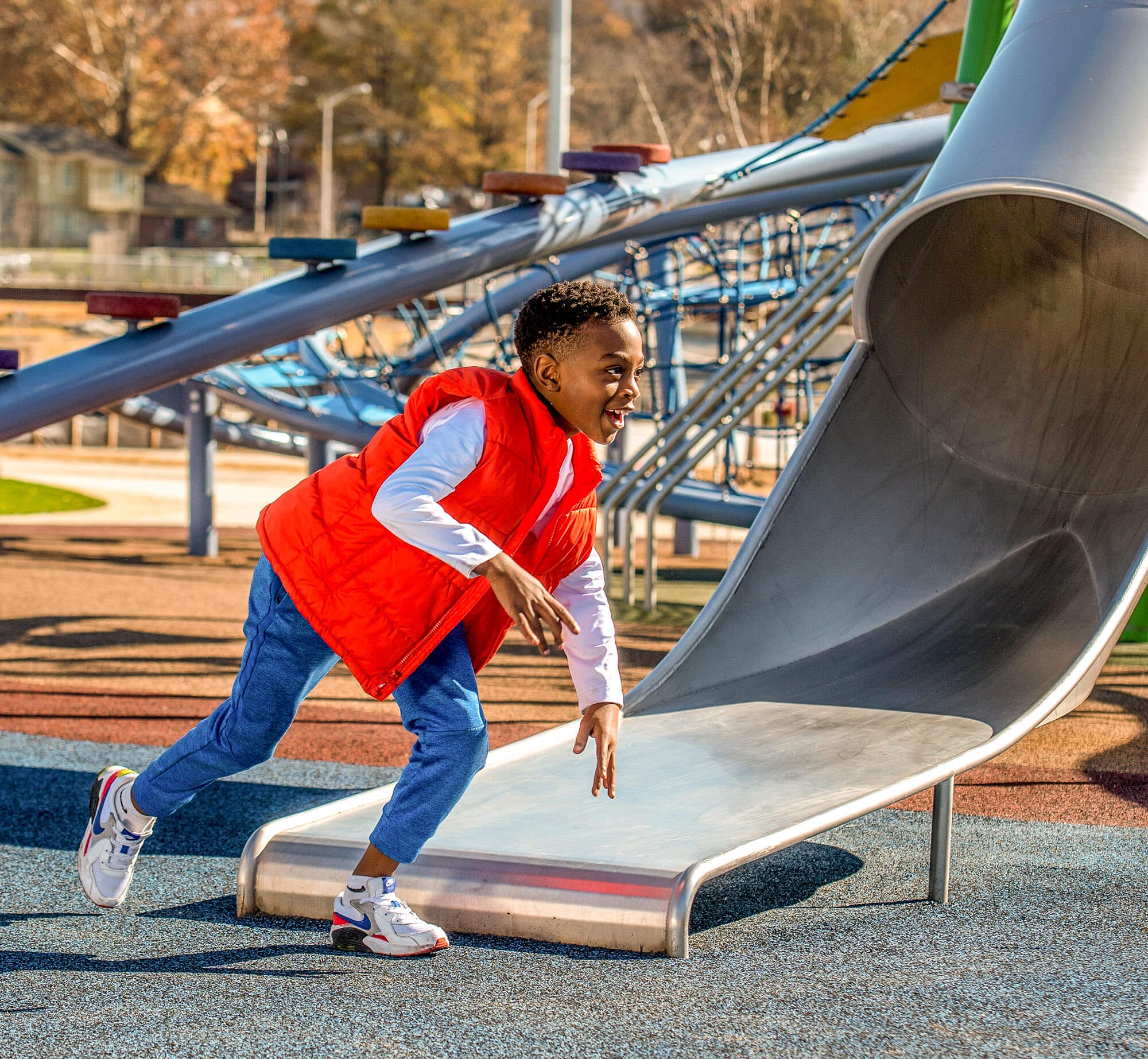
We’ve gathered the most comprehensive data on park access in the United States—and we’re using it to pinpoint neighborhoods where parks are needed most.
See which cities are highly ranked for equitable access to the outdoors in our annual ParkScore Top 100 list and discover how your own city stacks up.
Our Members Make Our Work Possible. Join Us.
Take a stand for the outdoors and become a member today.
From inspiring stories to thought-provoking research, dive into our wealth of resources, news, and updates.